
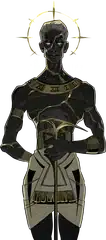
Ten named threats guard two routes, one descent to Chronos and one climb to Typhon.
Ten named threats stand between Melinoe and the two Titans she has to kill, and they split across two separate routes.
Most players learn the Underworld bosses first, then get blindsided by the surface fights, which lean on projectile storms and add spawns instead of the tighter arena duels below.
This page maps every boss to its region, names the mechanic that ends most runs, and links to the full guide for each fight.
Everything here is grounded in the Hades Wiki, from Hecate in Erebus to Charybdis in the Rift of Thessaly, with the exact numbers where the wiki lists them.
Hades 2 runs branch into two directions, and each direction ends with its own Titan. The Underworld route heads down through Erebus and Oceanus toward Chronos, the Titan of Time who seized the House of Hades. The surface route climbs through the mortal world toward Typhon, the monster Chronos woke beneath the summit.
According to the wiki, each region caps off with a guardian, and the two final Titans anchor their routes the way Hades and the Bone Hydra once anchored the first game. Wardens like Charybdis sit between the main guardians as tougher mid-region checks.
The practical takeaway across multiple runs: pick a route and learn its pattern rather than bouncing between both. The surface fights punish greedy melee, while the Underworld fights reward it, so the loadout that clears one route is rarely the loadout that clears the other.
Track which boss ends each region before you commit to a run. Keepsakes and Arcana cards that counter projectiles help far more on the surface route, where Polyphemus and Typhon flood the arena with ranged attacks.
Start here for the fast version, then drop into the route sections below for the fight-by-fight breakdown. Regions and roles follow how the wiki files each boss.
| Boss | Region | Route | Headline threat |
|---|---|---|---|
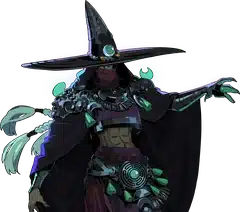 Hecate Hecate | Erebus | Underworld | Teleports and summoned familiars |
 Scylla and the Sirens Scylla and the Sirens | Oceanus | Underworld | Stage-wide sound waves from a boss band |
| Chronos | Underworld finale | Underworld | Time-stop windows and scythe sweeps |
 Cerberus (Infernal Beast) Cerberus (Infernal Beast) | Fields of Mourning | Surface | Corrupted charges and fire trails |
 Polyphemus Polyphemus | City of Ephyra | Surface | Boulder throws and a slam shockwave |
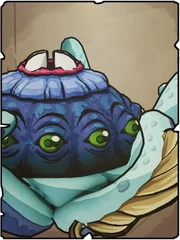 Charybdis Charybdis | Rift of Thessaly | Surface | 2,800 HP per tentacle plus bomb spreads |
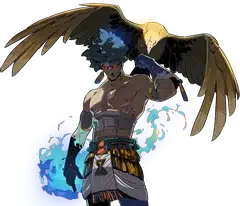 Prometheus Prometheus | Mount Olympus assault | Surface | Fire pillars from the Titan leading the siege |
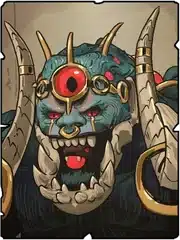 Typhon Typhon | The Summit finale | Surface | Eye blasts, gale winds, and spawned monsters |
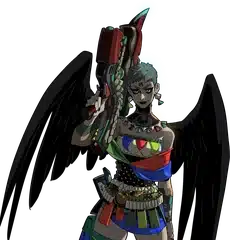 Eris Eris | Both routes | Recurring | Blessing of Strife, +20% enemy damage |
 The Sirens The Sirens | Oceanus | Underworld | Backing trio that layers extra projectiles |
The Underworld route is the descent Melinoe was raised for, and it ends at Chronos himself. These fights reward aggression and tight positioning more than the surface gauntlet does.
Hecate is the guardian of Erebus and the first real test of a run. The wiki notes she deliberately serves as this early boss to confirm Melinoe is strong enough for the deeper regions, so treat her as a build check rather than a wall. She mixes teleports with summoned familiars, and the fight opens up once you punish her recovery frames after each blink.
Scylla fronts a siren rock band in Oceanus, and the fight is built around stage-wide sound waves you dodge on rhythm. She rarely stops moving, so the danger is chip damage from overlapping attacks rather than a single big hit. Bring sustain and read the telegraphs on her backing trio, since the Sirens layer extra projectiles on top of Scylla's own attacks across each phase.
Chronos ends the Underworld route and is the reason the whole game exists. Per the wiki, he seized the House of Hades and turned the stalled dead into an army, and in the fight he leans on time-stop windows and long scythe sweeps that punish panic dodging. Save your strongest cooldowns for the moments after his time-freeze resolves.
The surface route climbs toward Typhon, and in actual play it is the harder of the two for most builds. These fights favor ranged pressure and add-clear, so projectile defense matters more here than anywhere in the Underworld.
Cerberus opens the surface route in the Fields of Mourning, but this is not the friendly hound from the first game. The wiki states Chronos cast him out and the region corrupted him into the Infernal Beast, so he attacks with charges and lingering fire trails across all three heads. Keep moving perpendicular to his rushes and punish the recovery after each charge.
Polyphemus guards the City of Ephyra and fights like a heavy bruiser, throwing boulders and following with a slam that sends out a shockwave. His attacks hit hard but telegraph slowly, which makes him a good boss to practice patient spacing on. The punish window opens right after each slam lands.
Charybdis is a Warden of the Rift of Thessaly and one of the few fights where the wiki gives hard numbers. The wiki specifies 2,800 health per tentacle, with tentacle shockwaves dealing 15 damage, small bombs 8, and her spin 14. Because each tentacle is its own health pool, target priority decides how fast the fight ends.
Prometheus leads the Titan assault on Olympus, and his fight leans on fire pillars and zoning that shrink your safe space over time. Foresight is the theme, so his attacks bait you into the spots he is about to punish, which means reading his fire placement matters more than raw reaction speed.
Typhon ends the surface route from a rift near the summit. The wiki describes him firing blasts of light from his eyes, exhaling gale-force winds, and spawning fresh monsters from his own body, which makes add-clear as important as damaging Typhon directly. Manage the spawns or the arena fills up fast.
Eris is the one antagonist you meet on either path, and her fight has a lasting cost the others do not. After the encounter, the wiki notes she bestows her Blessing of Strife, which makes your foes deal +20% damage and grows another +5% after each Encounter you clear. She also drops a region-specific reward on the way out, listed by the wiki as 20 Ashes in Oceanus, 50 Psyche in the Fields of Mourning, and 300 Bones in Tartarus.
In practice, that means Eris quietly reshapes the back half of a run, so weigh whether her reward is worth the escalating enemy damage on longer clears before you take the fight.
Charybdis is the fight new players read as a mini-boss and then lose to. The per-tentacle health pool of 2,800 means she does not go down to a single burst window, and her bomb spreads punish players who tunnel one tentacle while standing still.
Across multiple runs, the pattern that works is rotating around the arena and chipping tentacles evenly rather than committing to one. Treat her Warden status as a warning, not a discount, and she stops ending promising runs.
Save a movement Arcana or dash-heavy keepsake for the Rift of Thessaly. Charybdis rewards constant repositioning more than raw damage, and the same habit carries into the Typhon fight at the summit.
Once the boss roster makes sense, these guides cover the loadouts and systems that carry you through it.
Game data and screenshots adapted from hades.fandom.com, used under CC BY-SA 3.0. Original content remains the property of the wiki contributors and Supergiant Games.