The symbol above each door tells you the reward inside, so reading them is how you steer a run toward the build you want.
Every door in Hades 2 shows you its reward before you walk through it, and learning the symbols is the difference between a focused build and a random one.
When you clear a room, the doors out display an icon for what waits beyond, letting Melinoe pick the reward that fits her run. Some are boons from a specific god, others are healing, currency, or run-shaping items.
The most important symbols to recognize are the Olympian boon emblems, since chasing two or three gods is how most strong builds come together, plus the special icons like the Daedalus Hammer.
This guide breaks down what the door symbols mean, the god boon emblems, the special reward icons, the currency symbols, and how to choose a door.
reward previews, the icon over each door shows what is inside.The symbol over a door is a preview of the reward in the next room, so you always choose your reward before you fight for it.
Rewards fall into two broad groups. Run-progress rewards shape the current run, like boons, healing, and the Daedalus Hammer, while meta-progress rewards are the currencies you spend back at the Crossroads on permanent upgrades. The wiki notes the game quietly balances how often each group appears, so a string of currency doors makes a boon door more likely next.
You usually pick between two doors, sometimes more, and once you commit you cannot take the other. Reading the symbols lets you steer toward the gods and items your build needs instead of taking pot luck.
The symbols are consistent, so a little memorization pays off every single run. The groups below cover the ones you will see most.
Each Olympian god has a distinct boon emblem, and recognizing them is the core skill of door reading, since chasing two or three gods is how builds form.
| God | Door symbol and theme |
|---|---|
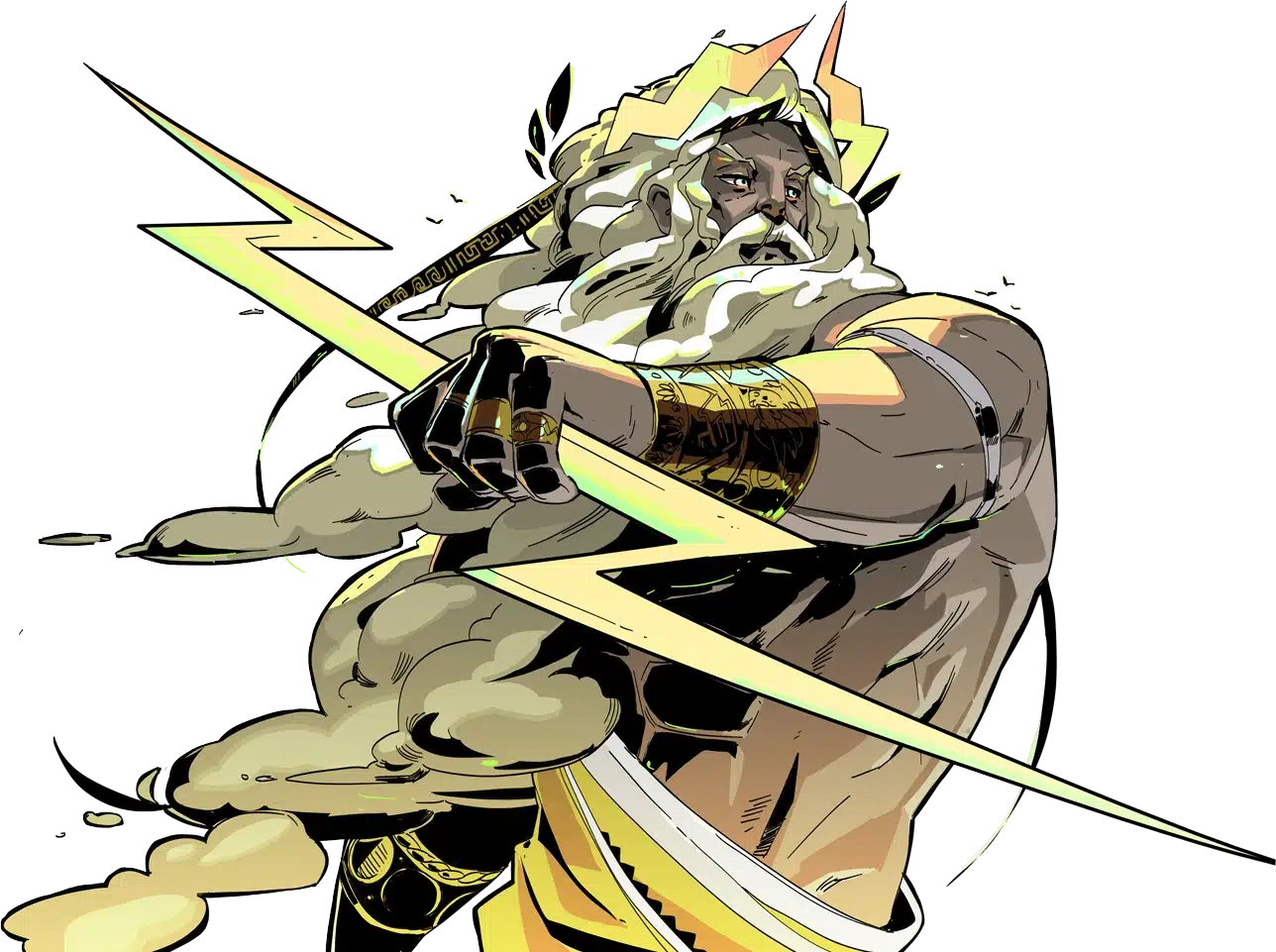 Zeus Zeus | A lightning bolt, for Blitz and chain-lightning boons. |
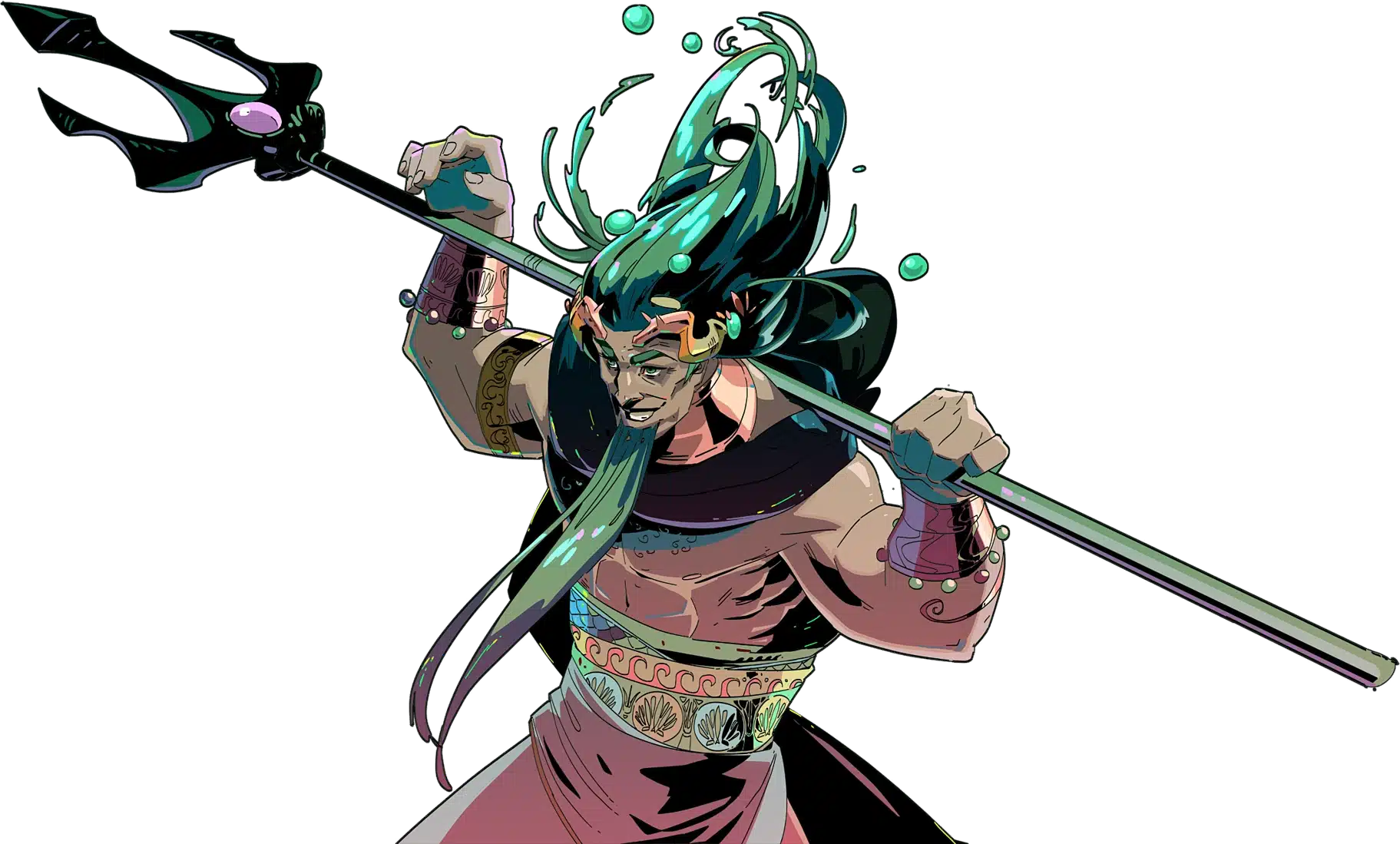 Poseidon Poseidon | A wave or trident, for Splash knockback and Wave boons. |
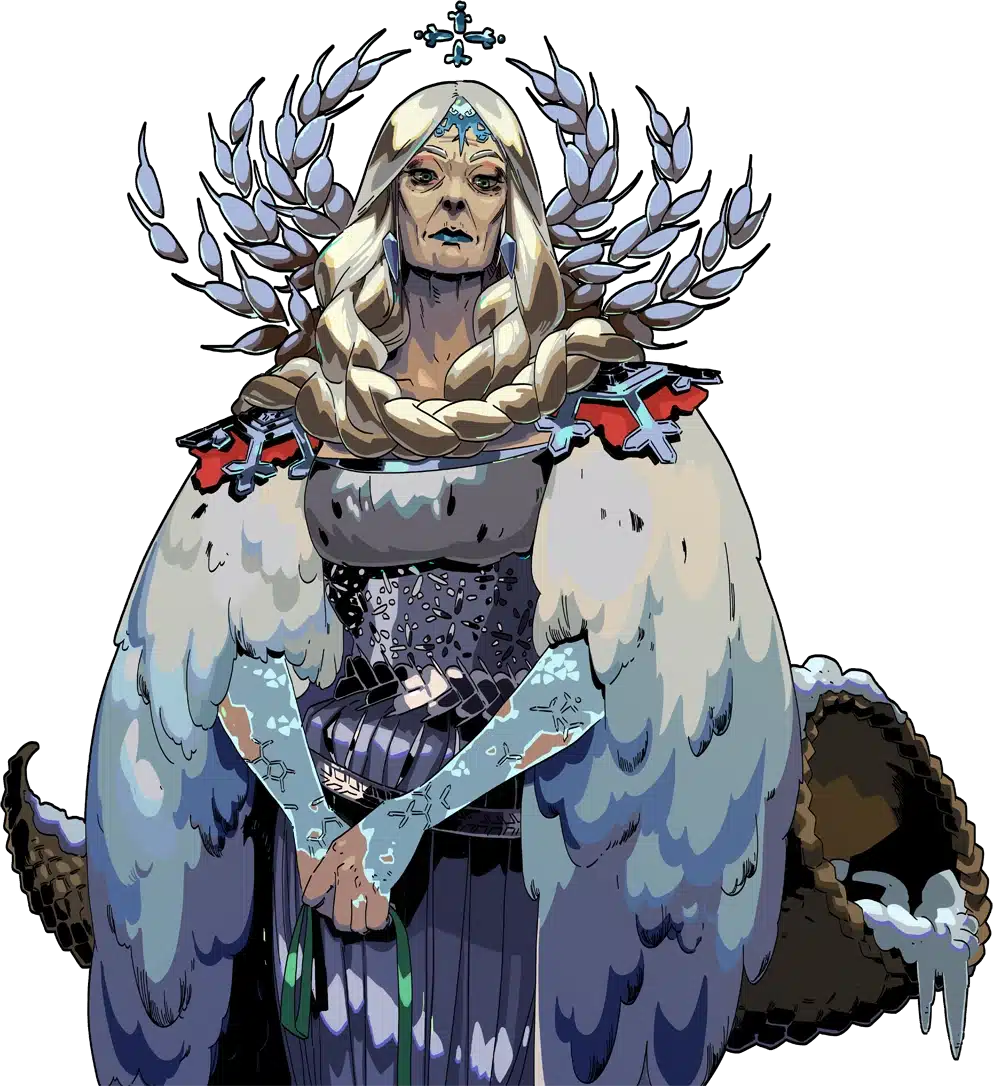 Demeter Demeter | A snowflake or sickle, for Freeze and Gust boons. |
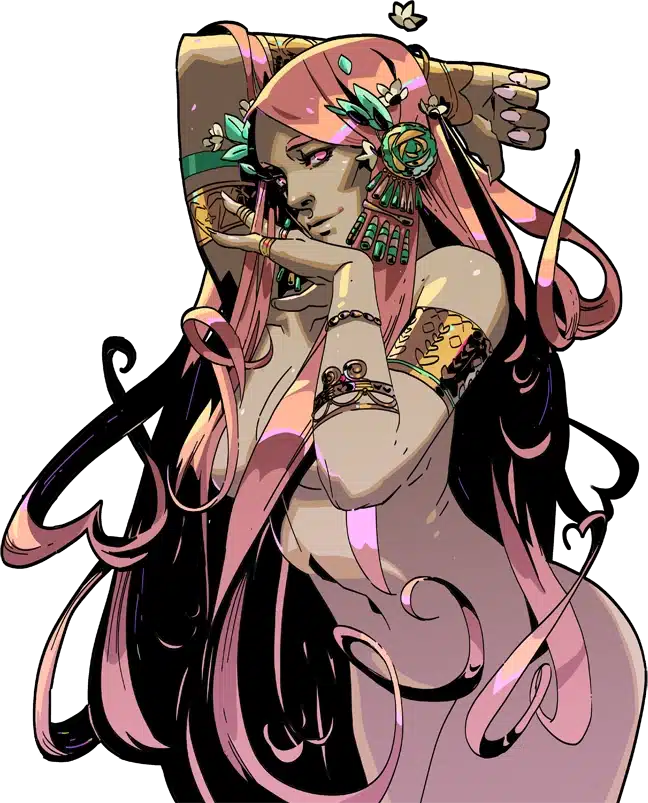 Aphrodite Aphrodite | A heart, for Weak and Charm boons. |
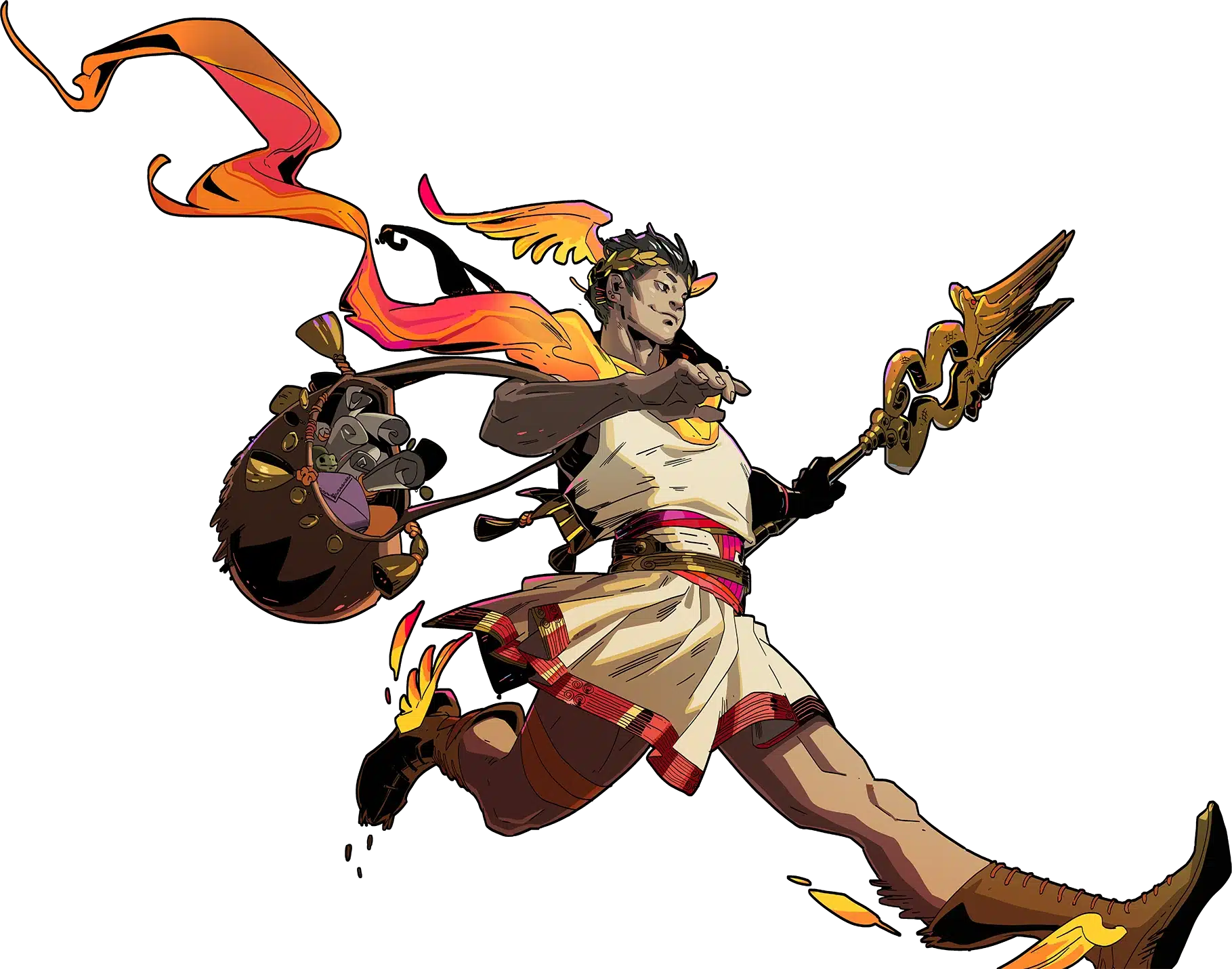 Hermes Hermes | A winged emblem, for the speed boons unique to Hermes. |
All nine duo-capable gods plus the others each carry their own mark, and a boon door always belongs to a single god. If you are building around duo boons, prioritize the two specific god symbols whose duo you want, since you need boons from both to ever see it.
A handful of door symbols mark the run-shaping rewards that are not god boons, and these are often worth more than a boon door.
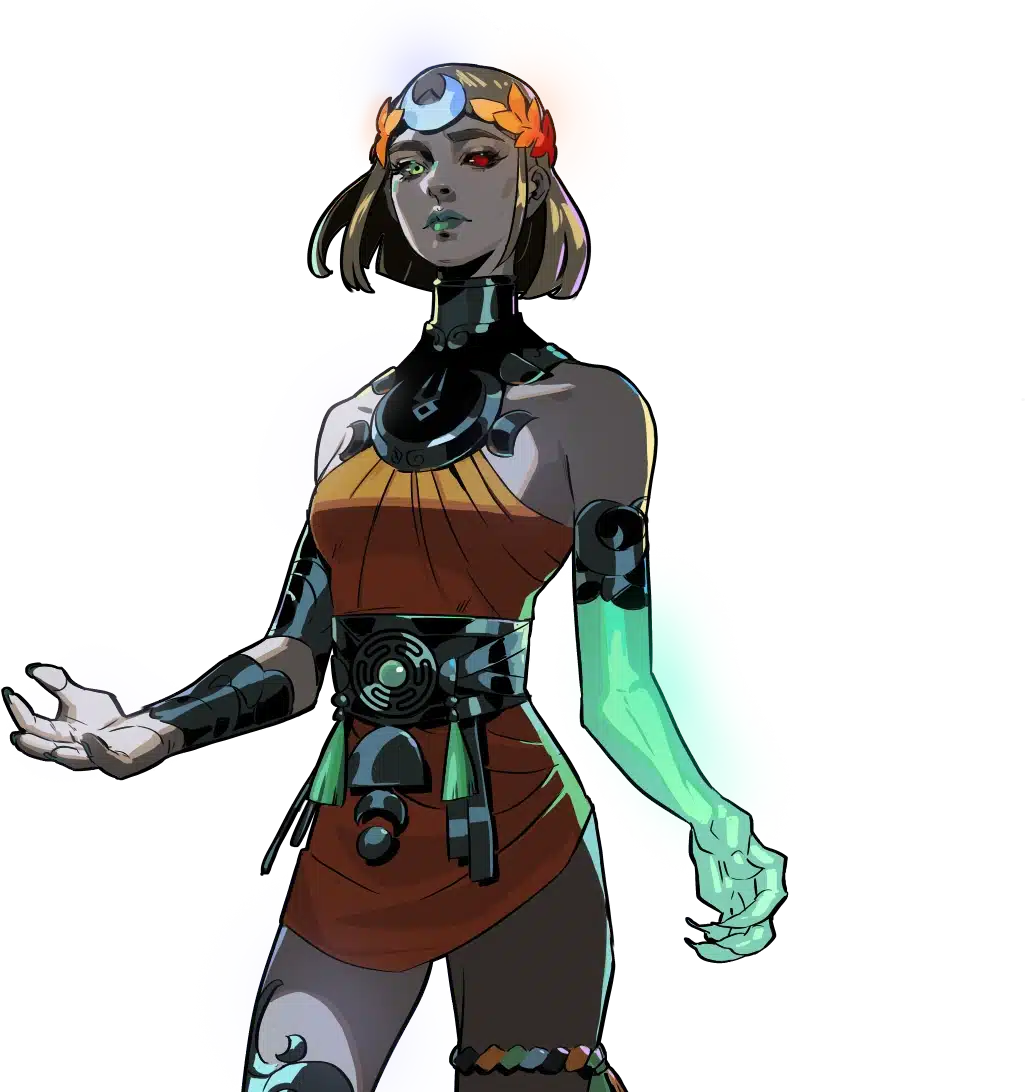
The Daedalus Hammer symbol is the priority pickup, since it upgrades your weapon directly and you only see a couple per run. A Centaur Heart raises your max health, a Pom of Power levels up a boon you already hold, and a Selene 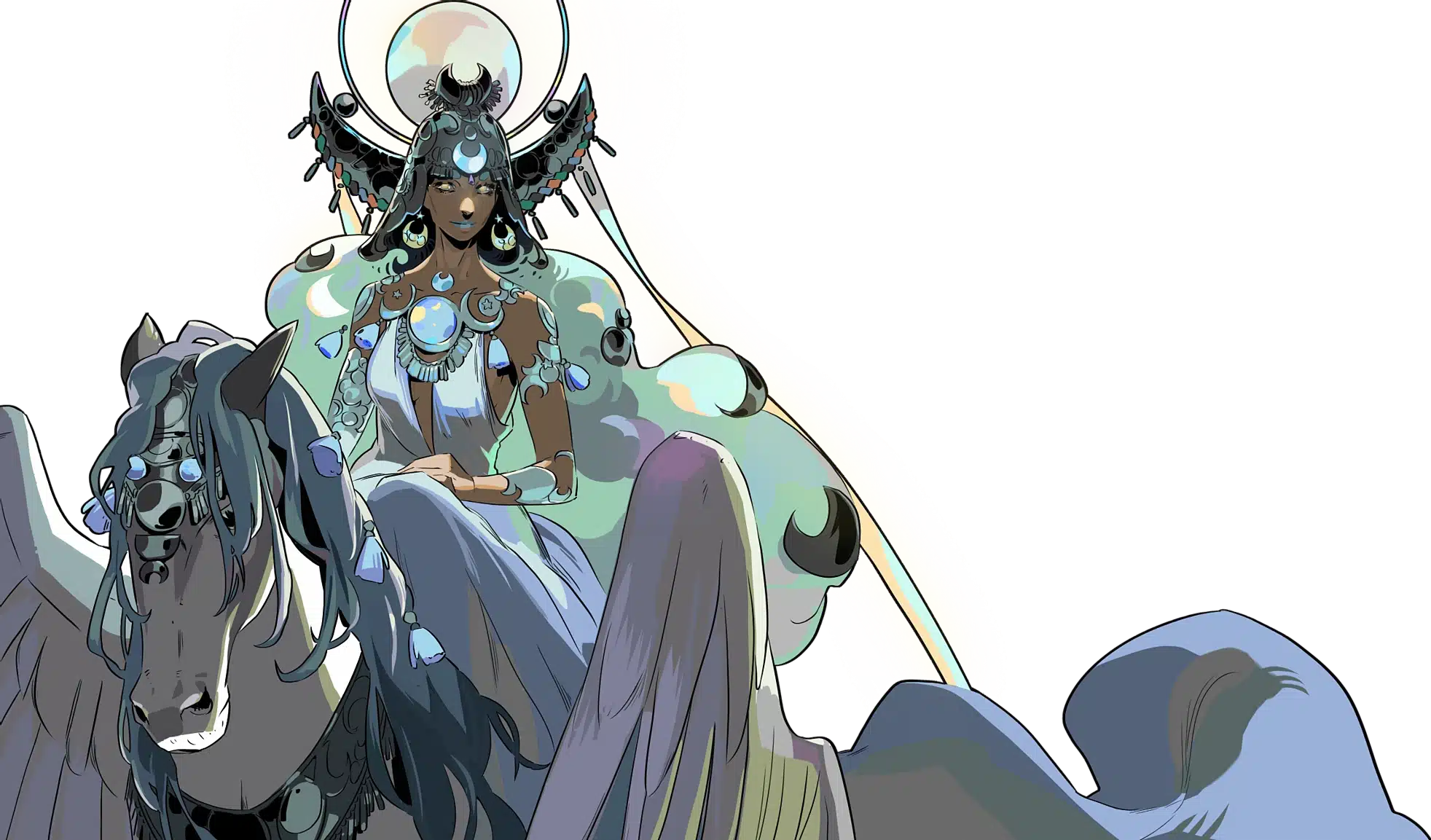 moon symbol offers a Hex, her unique spell-like ability.
Other special doors include Arcana and reward-altering events, a Chaos 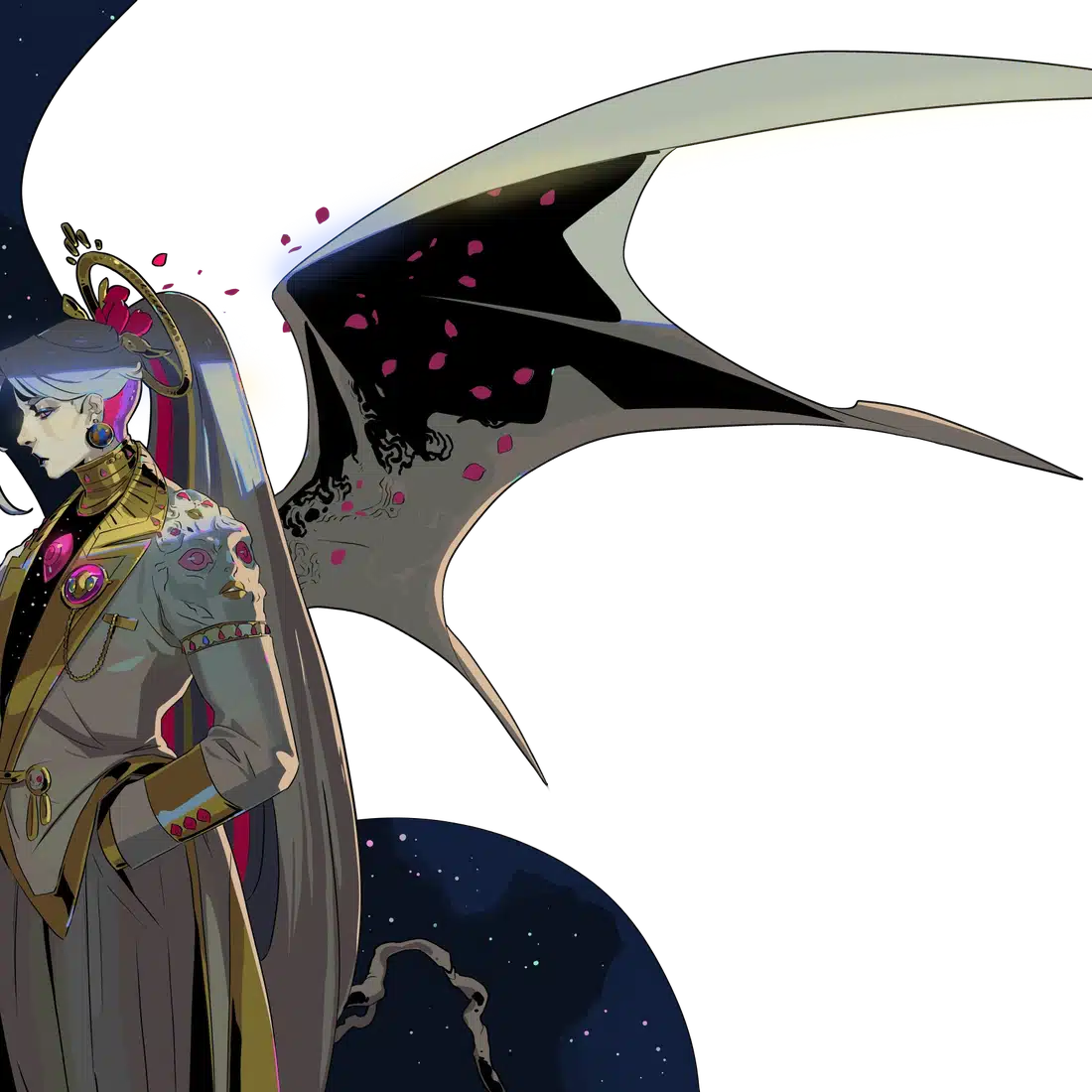 gate that trades a temporary curse for a lasting blessing, and Charon shop symbols where you spend Gold. When a Hammer or Centaur Heart symbol is on offer against a plain boon, the special reward usually wins.
Always take the Daedalus Hammer when you see its symbol unless you have a very specific reason not to. Weapon upgrades are rare, run-defining, and you only get a window of one or two per run, so a Hammer door beats almost any boon door next to it.
Many doors show a currency symbol, meaning the reward is a meta resource you spend on permanent upgrades back at the Crossroads rather than power for the current run.
The common ones are Ashes for unlocking Arcana Cards 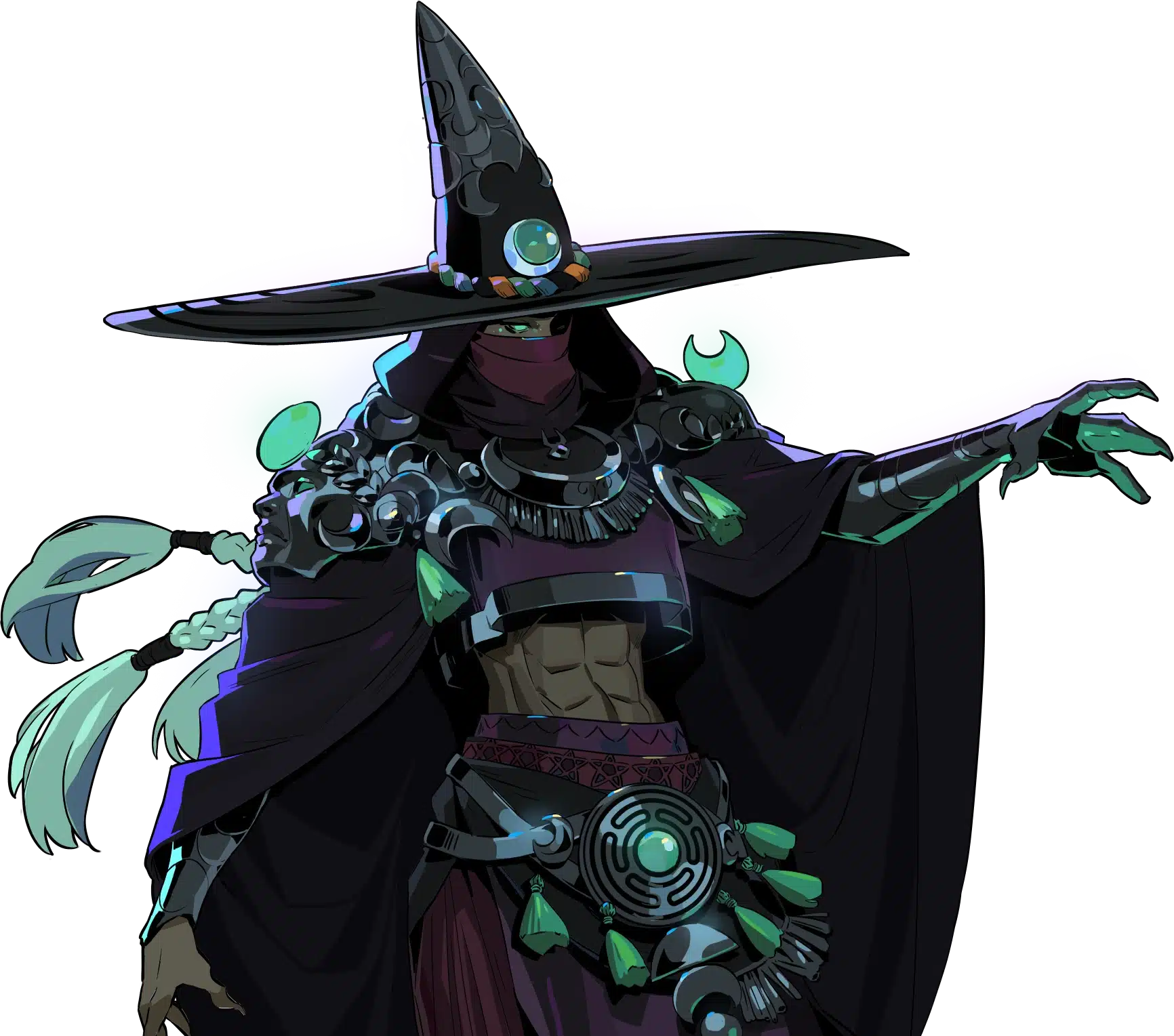 , Psyche for raising your Grasp limit, and Bones for trading with the Wretched Broker. You will also see Gold for in-run shopping, plus rarer marks for Moon Dust, Nightmare, and other upgrade materials.
Early in your save, currency doors are a strong long-term investment since your meta-progression is thin. Later, when your upgrades are mature, you can lean toward run-progress doors instead, because the permanent power matters less than winning the run in front of you.
Pick the door that serves your current build first, your long-term progression second, and grab special rewards whenever they appear.
If you are committed to a build, chase the god symbols that feed it and the Hammer, Centaur Heart, and Pom symbols that strengthen it. If a run is going badly or you are early in a save, currency doors bank progress you keep even if you die. In practice the best players read both doors, weigh the symbols, and only then commit.
The one rule that rarely changes: when a Daedalus Hammer or a duo-enabling second god symbol is available, take it. Those are the choices that most often decide whether a run becomes great or stays average.
Hold a mental priority list: Hammer first, then the second god for your duo, then Centaur Heart or Pom, then your main god's boons, then currency. Reading doors against that order makes most choices instant and keeps your build on track.
The symbol above each door previews the reward in the next room. It might be a boon from a specific god, healing like a Centaur Heart, a Daedalus Hammer weapon upgrade, a Pom of Power, or a currency for permanent upgrades. You choose the reward before fighting for it.
Each Olympian has a distinct emblem on the door. Zeus is a lightning bolt, Poseidon a wave or trident, Demeter a snowflake, Aphrodite a heart, and Hermes a winged mark. A boon door always belongs to a single god.
The Daedalus Hammer symbol is usually the top priority, since weapon upgrades are rare and run-defining. After that, chase the god symbols your build needs, plus Centaur Heart for max health and Pom of Power to level a boon you already have.
The Chaos symbol marks a Chaos gate, which trades a short-term curse for a lasting blessing during the run. It is a risk-reward door: you take a temporary penalty, then gain a powerful Chaos blessing once it wears off.
Early in a save, currency doors like Ashes, Psyche, and Bones are strong because they fund permanent upgrades you keep even if you die. Once your meta-progression is mature, lean toward boons and special rewards that win the current run.
Some rewards can be altered by specific effects, like the Enchantress Arcana or certain shop options, but most door symbols are fixed once shown. In general you choose between the doors offered rather than rerolling a single door.
The moon symbol is a Selene reward, offering one of her Hexes. Hexes are spell-like abilities charged separately from your boons, so a Selene door is the way to add or upgrade your Hex during a run.
The game balances how often you receive run-power versus meta-currency rewards. A run of currency doors makes a boon door more likely soon after, so the symbols even out over a full run rather than being purely random.
Keep building out your Hades 2 knowledge with these next stops.
Game data and character art adapted from hades.fandom.com, used under CC BY-SA 3.0. Original content remains the property of the wiki contributors and Supergiant Games.