
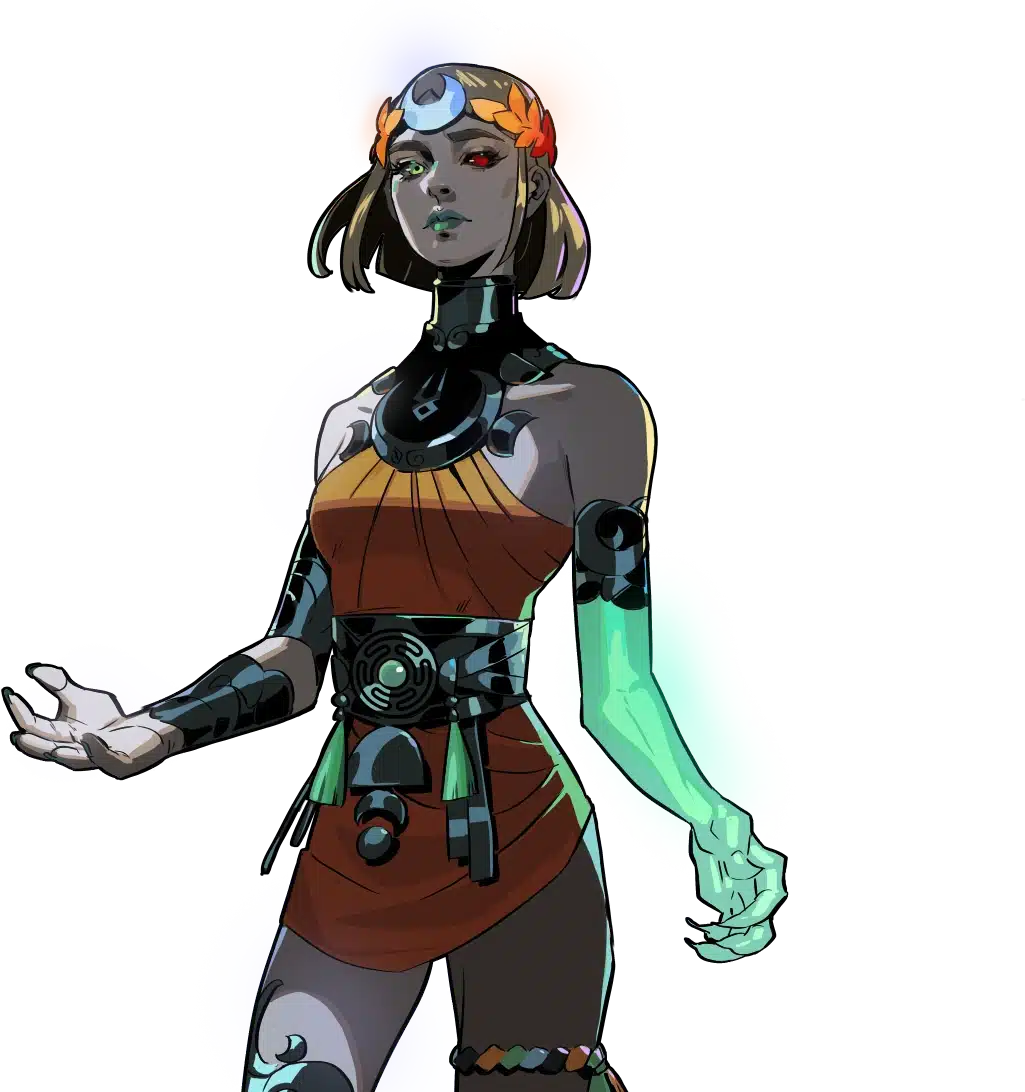
Hades 2 is the bigger, deeper game and the better one to play long term, but the first Hades still tells the tighter story.
Hades 2 wins on raw content and combat depth, but the original Hades remains the tighter, more focused story, so the right pick depends on what you want from the run.
The honest split is simple. If you have never touched the series, the first game is the cleaner on-ramp and sets up the family that the sequel pays off. If you already cleared Hades and want more systems to chew on, the sequel is the deeper game by a wide margin.
Both are roguelikes from Supergiant Games built on the same loop of dying, talking to gods, and going again. The sequel keeps that skeleton and bolts on magick, a second map direction, and a far larger cast.
This guide lays out the verdict, a side-by-side spec table, a category-by-category breakdown of gameplay, content, and story, and a clear buy recommendation by player type.
Hades 2 is the better overall game; the original wins on story focus.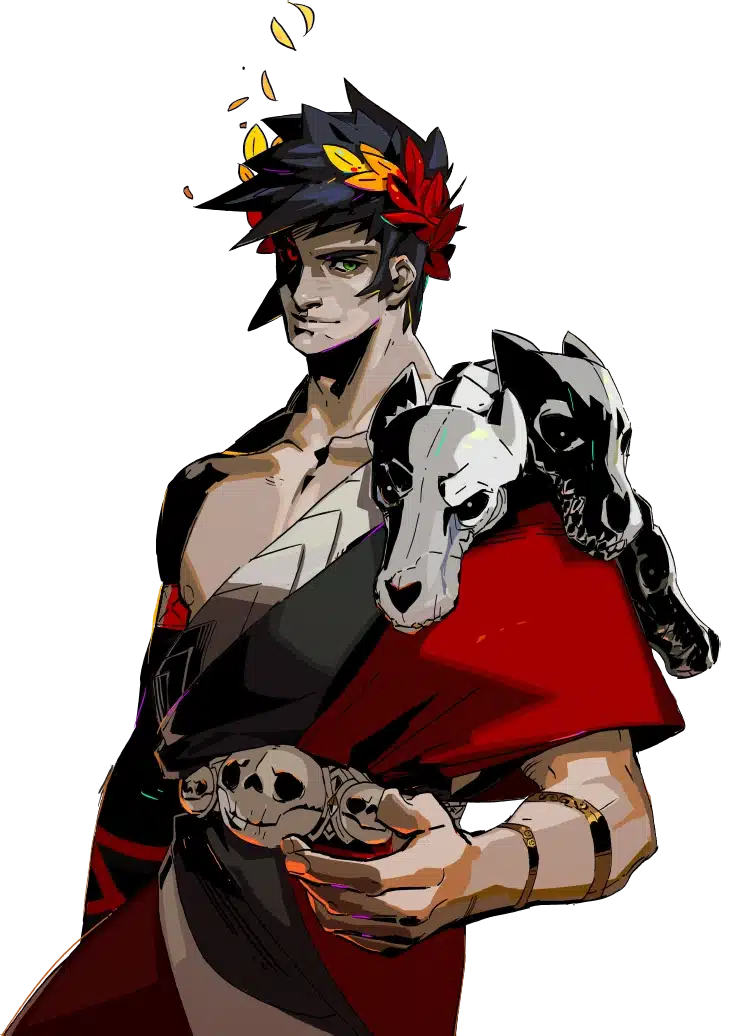 you are new to the series or want a shorter, story-led run to completion.
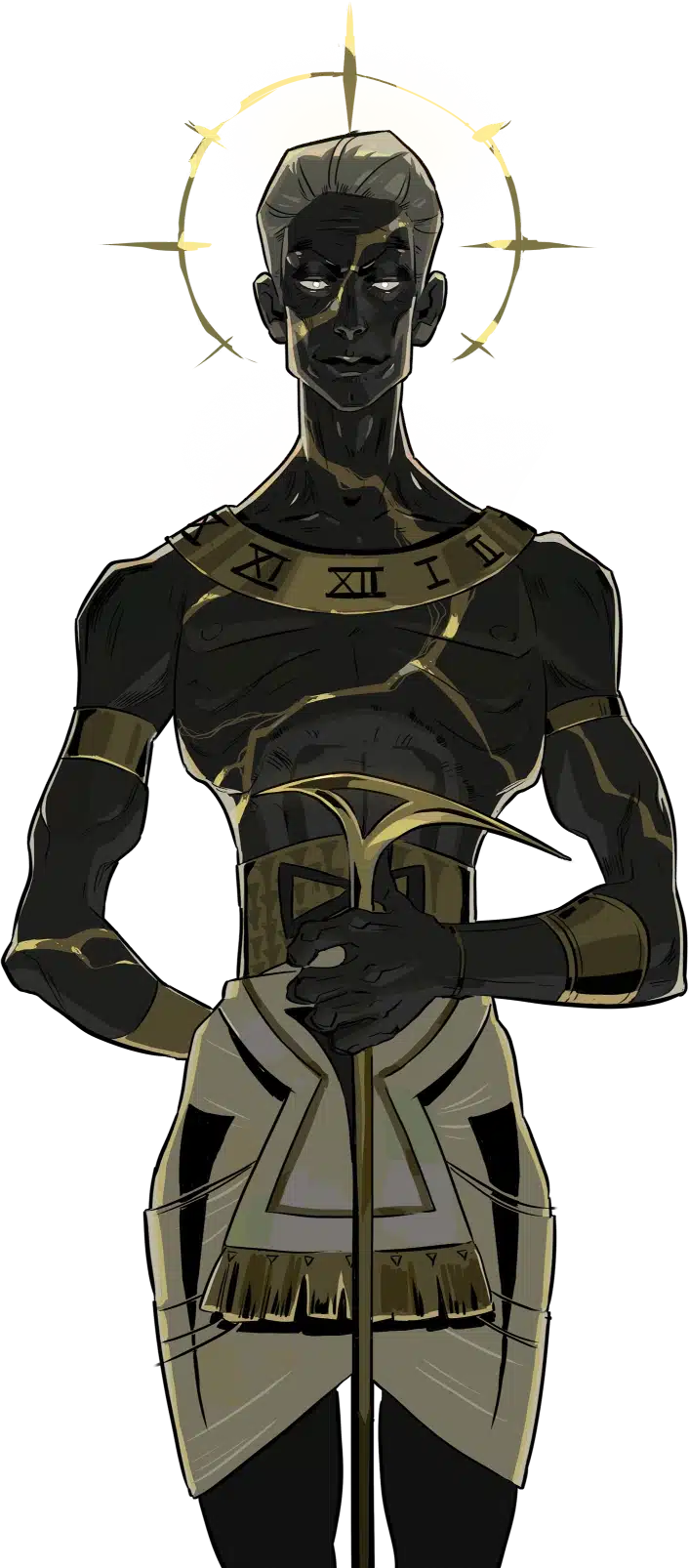 you want more weapons, gods, and systems, and a longer endgame to chase.
Hades 2 is the better game to sink dozens of hours into, while the first Hades is the better game to experience once for its story.
The sequel hands you Melinoe, the immortal daughter of Hades, on a quest to kill Chronos, the Titan of Time. The original casts her older brother Zagreus trying to escape the Underworld. That single change of goal, escape versus invasion, drives almost every difference that follows.
In our testing, the sequel feels noticeably crunchier in the hand. The magick bar and the new Omega versions of every attack add a resource layer the first game never had, so each room asks more of you. The trade is pacing: the original is a sprint to one ending, and the sequel is a marathon across two map directions with a much longer tail.
As of patch v1.0, the sequel also carries more than double the weapons, gods, and boons of the first game. That is the core of the verdict. More to learn, more to chase, and a higher skill ceiling, set against a story that takes longer to land its best moments.
If you only have time for one and want a beginning, middle, and end, play the first Hades. If you want a game to live in for a season, the sequel rewards the investment far more.
The spec table below maps the structural differences the wiki documents across both games.
| Feature | Hades | Hades 2 |
|---|---|---|
| Protagonist | Zagreus, son of Hades | Melinoe, daughter of Hades |
| Goal | Escape the Underworld to reach the surface | Stop Chronos, the Titan of Time |
| Final foe | Hades, lord of the dead | Chronos, the Titan of Time |
| Weapons | Infernal Arms (6) | Nocturnal Arms, a larger arsenal |
| Permanent upgrades | Mirror of Night | Arcana Cards on the Grasp board |
| Base upgrades | House Contractor | Cauldron incantations |
| Magick system | None | Magick bar powers Omega moves |
| Map directions | One route to the surface | Two routes, Underworld and Surface |
The pattern is consistent: every system Zagreus used has a richer successor in the sequel. The wiki notes that Melinoe trains through Arcana Cards, the Nocturnal Arms, and the Cauldron, the direct heirs of the Mirror of Night, the Infernal Arms, and the House Contractor.
The first Hades tells the tighter story, while the sequel tells the bigger one across a wider cast.
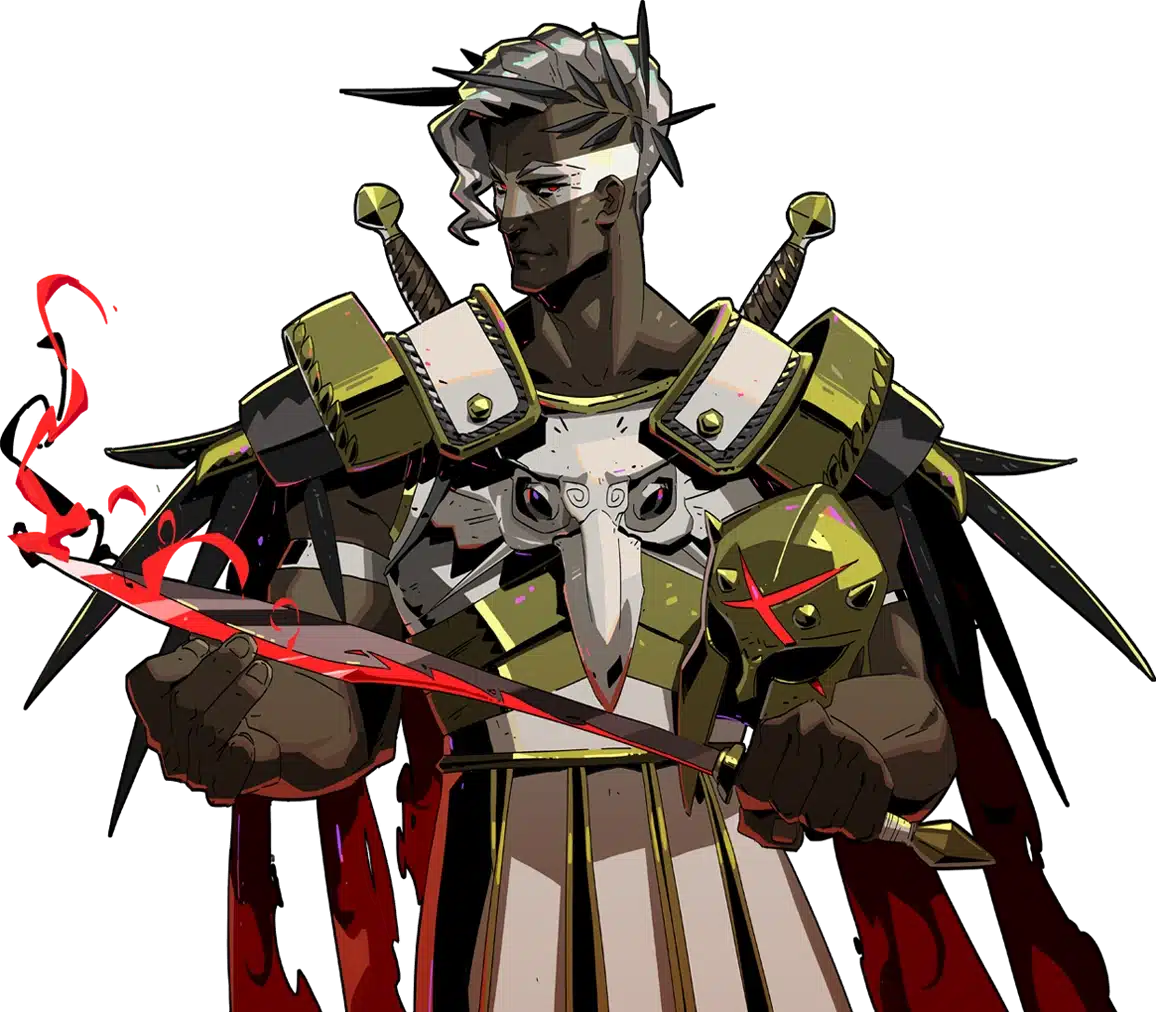
Hades follows Zagreus and one clear emotional throughline: a son trying to reach the mother he never knew. The sequel widens the lens. Melinoe carries a revenge plot against Chronos, the Titan who seized the House of Hades, and the wiki frames her rallying cry plainly as "Death to Chronos." Her mentor is the witch Hecate, and her allies include Moros, Nemesis, Odysseus, and Eris.
That scope is a strength and a weakness. The sequel has more characters to meet, more romances to chase, and more banter per run, so the world feels larger. It also takes longer to reach its strongest beats, where the original lands them faster. 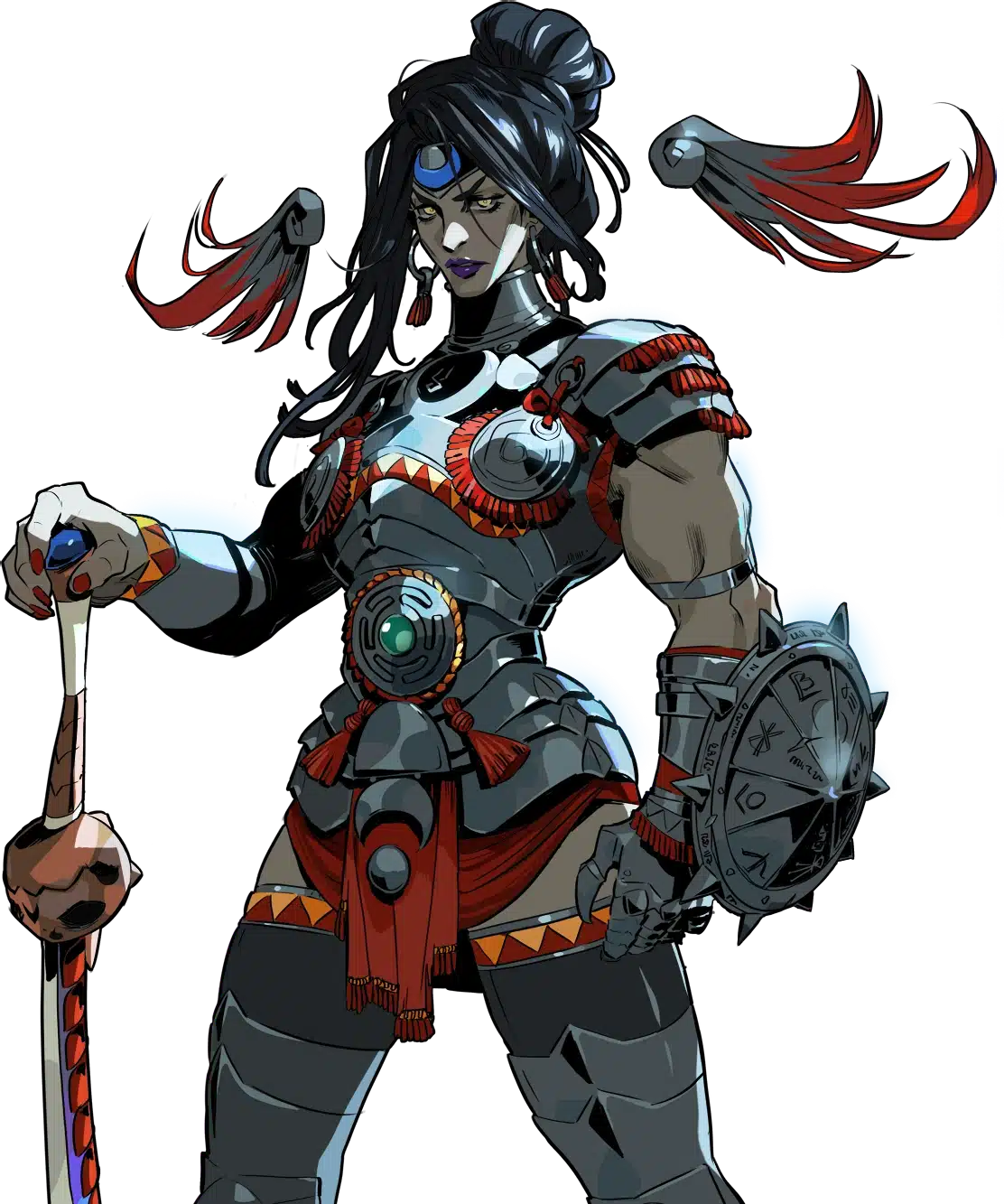 Nemesis and
 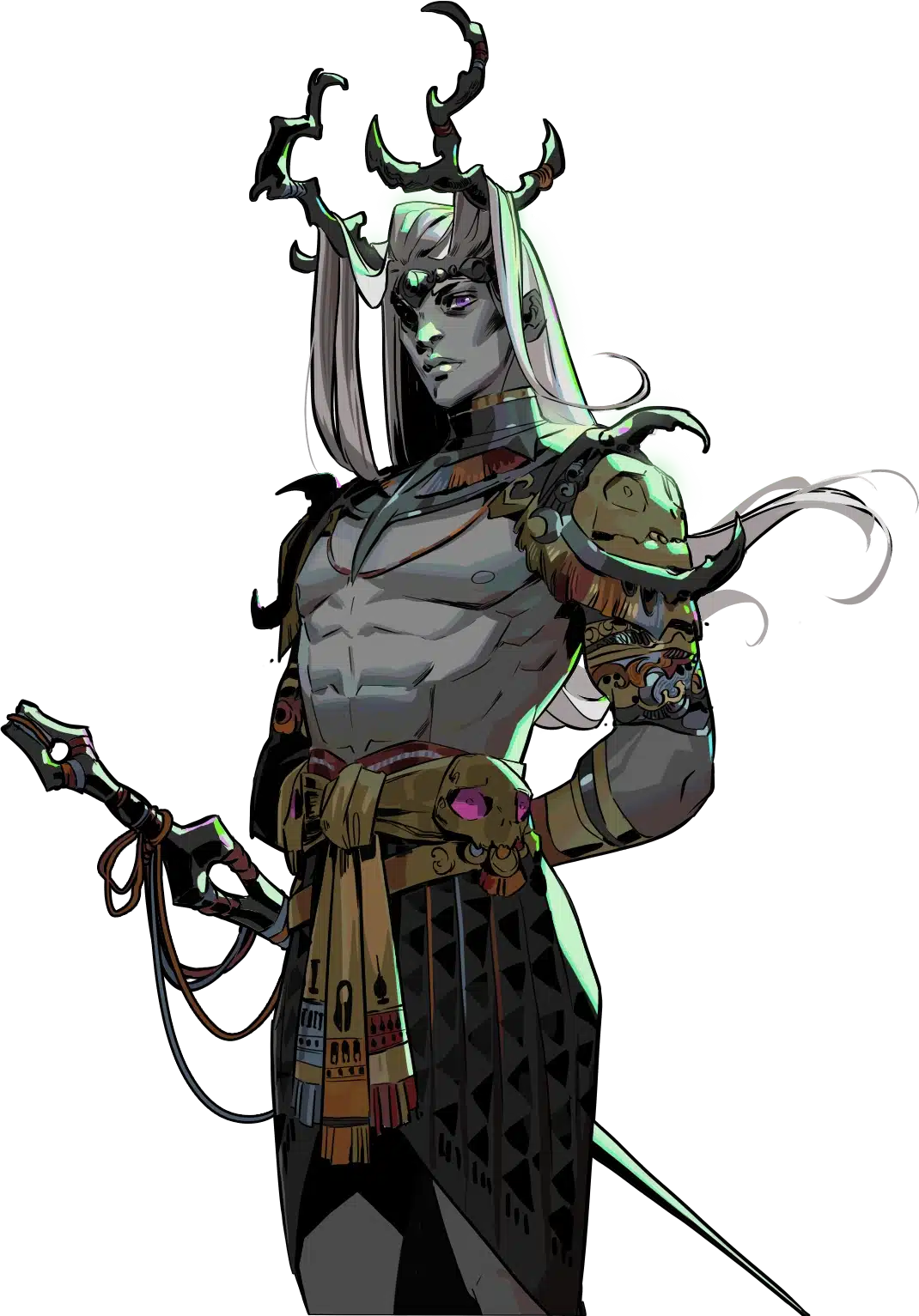 Moros get real arcs, but you earn them over many more clears.
If story focus is your priority, the first game is the better single experience. If you want a sprawling cast to slowly uncover, the sequel gives you far more to find.
Play the first game before the sequel for the full story payoff. The sequel assumes you know who Zagreus, Nyx, and Hades are, and the family reunion in the original hits harder when you arrive at it cold.
Hades 2 has the deeper combat, mostly because of magick and the Omega moves layered on top of the original loop.
Both games run on Attack, Special, Cast, Dash, and a Call, all powered by boons drafted from the Olympians. The sequel adds a magick meter that fuels charged Omega versions of those actions, so you constantly choose between a quick hit and a stronger channeled one. That single resource changes how every room plays.
Progression also runs deeper. The original Mirror of Night gave a fixed list of upgrades, while the sequel uses Arcana Cards on the Grasp board, where the cards you slot and how many you can hold both matter. The Cauldron then layers permanent incantations on top, akin to the old House Contractor but with far more to unlock.
Zagreus carried six Infernal Arms; Melinoe wields a larger set of Nocturnal Arms, each with its own aspects and a separate progression track to build with. For new players chasing specific setups, our Hades 2 tips guide covers the early Arcana and weapon priorities.
Coming from the first game, spend your first few sequel runs learning the magick bar before you optimize boons. Omega moves are where most of the new damage lives, and ignoring them makes the sequel feel harder than it is.
Hades 2 has more content than the original, with a longer endgame and more variables per run.
As of patch v1.0, the sequel ships with more weapons, more gods, more keepsakes, and a second map direction toward the Surface, on top of the Underworld path. That is the clearest, most measurable gap between the two games, and it is the reason the sequel holds up over a longer stretch.
The original is not thin. It has a celebrated post-credits arc and a generous list of characters to befriend, and many players clear it dozens of times. The point is relative: across multiple runs, the sequel simply offers more knobs to turn before the loop starts to repeat.
For pure replay value and a longer runway of unlocks, the sequel is the stronger pick. For a complete, satisfying loop you can finish without a months-long commitment, the original still delivers.
Play the first Hades first, then move to Hades 2 for the depth.
The sequel is built for players who already know the cast and the loop. Starting with the original means the family relationships, the gods, and the stakes all land in order, and the sequel becomes a richer follow-up rather than your introduction to the world.
Start with Hades (cleaner on-ramp and tighter story) Jump to Hades 2 (more systems, longer endgame) Hades, then the sequel (payoffs land in order)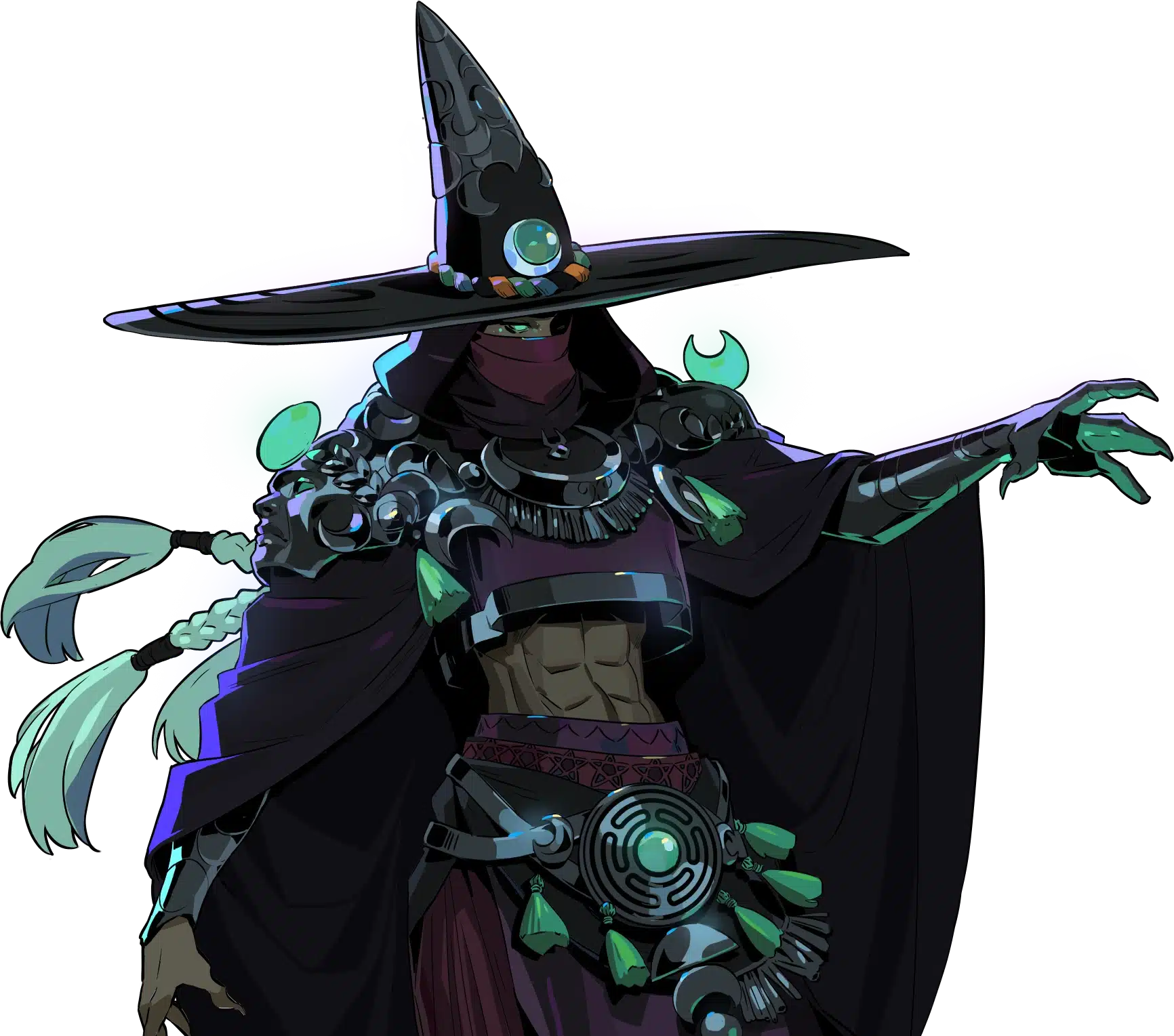 Hades 2 for the long haul (magick and Arcana ceiling)
The only reason to start with the sequel is if you simply prefer its witchcraft theme or its protagonist on sight. In practice, almost everyone gets more out of the pair by playing them in release order.
Hades 2 is the better overall game thanks to deeper combat, more weapons and gods, and a longer endgame. The first Hades is still the better single story experience because it is tighter and more focused. Most players rate both very highly.
Yes. Playing the first Hades first gives you the family relationships and stakes in order, which makes the sequel land better. Hades 2 assumes you already know Zagreus, Nyx, and Hades, so the original is the cleaner starting point.
You can follow Hades 2 on its own, but it rewards prior knowledge. Melinoe is Zagreus's younger sister, and the sequel references the events and characters of the first game, so playing the original first deepens the story.
The goal. In Hades, Zagreus escapes the Underworld toward the surface. In Hades 2, Melinoe fights to stop Chronos, the Titan of Time. That change drives the sequel's new magick system, second map direction, and larger cast.
Melinoe, the immortal daughter of Hades and Persephone and the younger sister of Zagreus. The wiki calls her the Princess of the Underworld, and her quest is to defeat Chronos with help from her mentor Hecate.
Hades 2 has a higher skill ceiling because of the magick bar and Omega moves, so it can feel harder at first. Both games scale difficulty through optional modifiers, so you can tune the challenge up or down in either one.
Yes. As of patch v1.0, Hades 2 ships with more weapons, gods, keepsakes, and a second map direction toward the Surface. It has more than double the systems of the original, which gives it a longer replay runway.
Hades 2 is a full sequel, the first ever from Supergiant Games. It continues the story after the original with a new protagonist, Melinoe, a new villain in Chronos, and an expanded set of weapons, gods, and systems.
Hades 2 launched widely after an Early Access period and is available on PC and console, including newer Nintendo hardware. The first Hades remains available across PC, PlayStation, Xbox, and Switch.
Hades 2 has the larger arsenal. Zagreus used six Infernal Arms, while Melinoe wields the broader Nocturnal Arms, each with its own aspects. The original's weapons are tighter and easier to master, but the sequel offers more variety.
Keep building out your Hades 2 knowledge with these next stops.
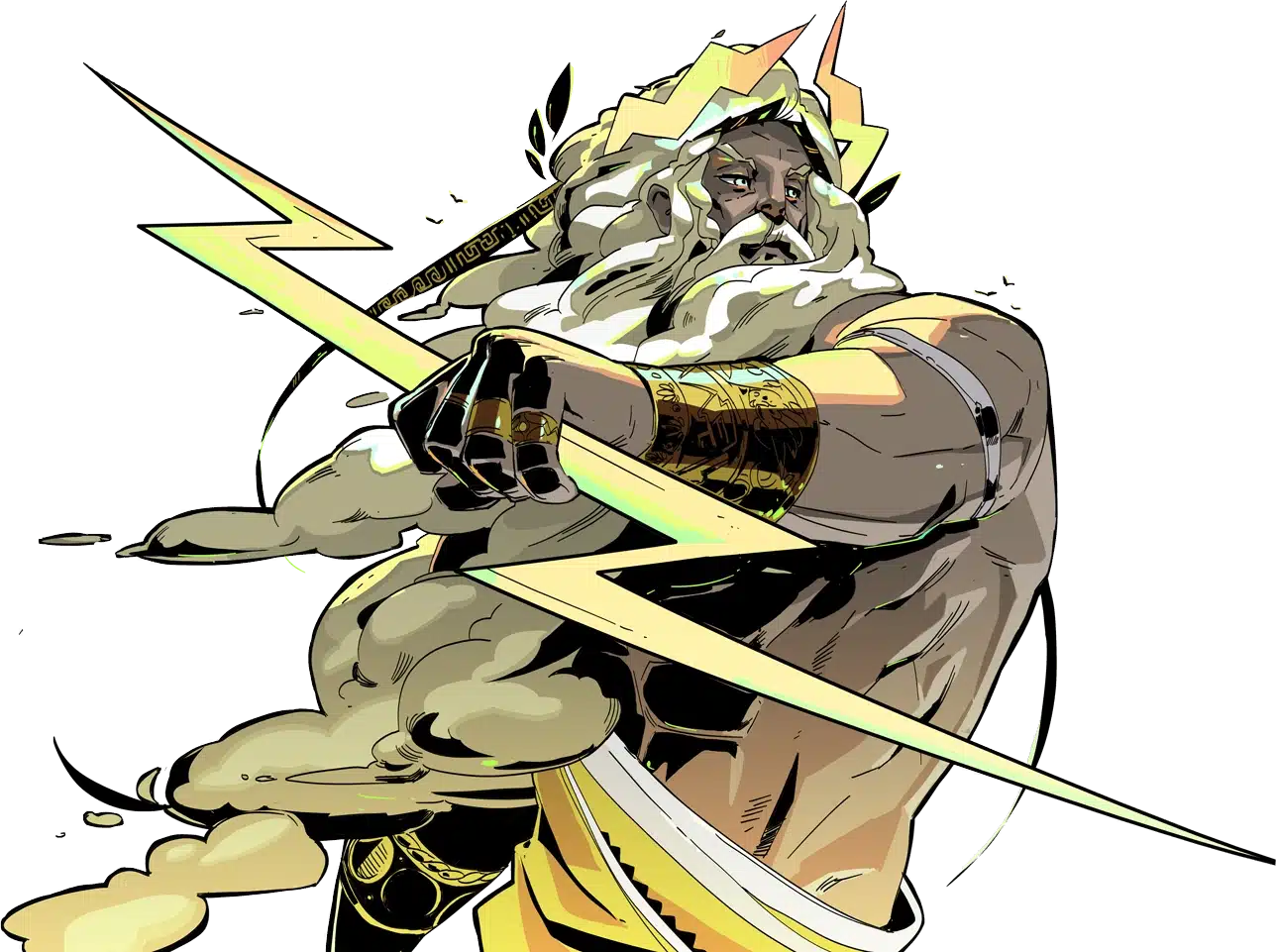

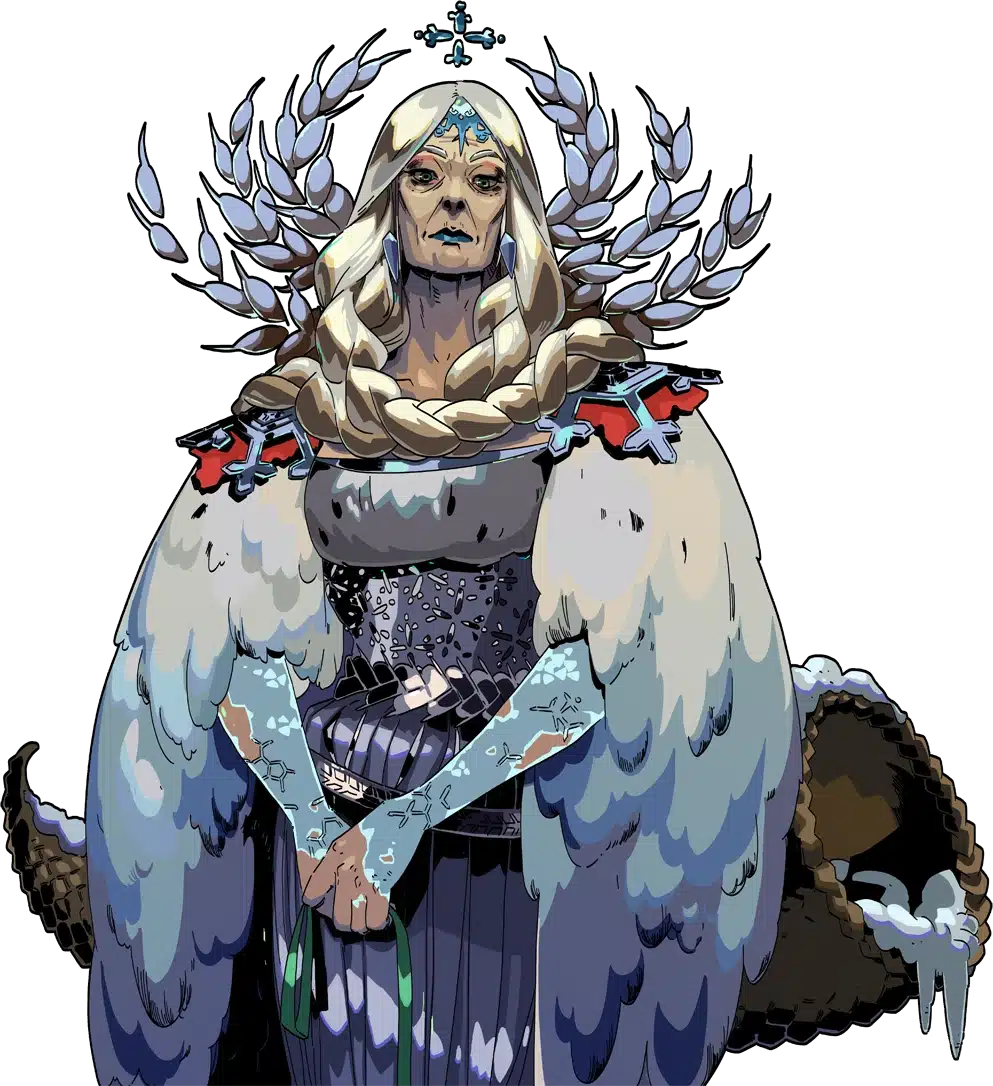
Game data and character art adapted from hades.fandom.com, used under CC BY-SA 3.0. Original content remains the property of the wiki contributors and Supergiant Games.