
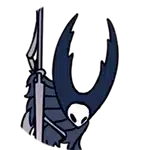
Yes, but fairly. The main story is a real challenge, and the truly punishing content is all optional.
Yes, Hollow Knight is hard, but it is fair, and the hardest parts are optional. The main story is a genuine challenge that most patient players can finish; the brutal content is something you opt into.
There are no difficulty settings. The wiki confirms one fixed challenge for everyone, so the only lever you control is how strong you make the Knight before each fight.
The difficulty is execution, not punishment. Death is forgiving, enemies follow learnable patterns, and you can always leave and come back stronger. Nothing here is designed to feel cheap.
This page rates the main story honestly, explains why it feels hard, lists the genuinely savage optional content, and shows how to lower the difficulty through smart upgrades.
 Challenging but fair, beatable by most patient players. No difficulty options, one fixed challenge.
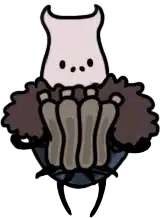 Path of Pain and the Pantheons are the real walls, and optional.
 More masks and charms flatten the curve fast.
The path to an ending is challenging but very beatable. Expect to die often to a few bosses and tricky rooms, but nothing on the critical route is designed to stop a patient player for good.
The early difficulty spike is the Mantis Lords, the game's first real skill check. Clear them and you have the fundamentals for most of the required fights that follow.
From there the main bosses ramp steadily rather than spiking. The final  Hollow Knight fight is tough but readable, and the better endings ask for a bit more preparation rather than raw skill.
If you are bouncing off a required boss, it is almost always an upgrade problem, not a skill problem. In practice, two extra masks and a Nail tier turn most walls into routine fights.
The difficulty is built from precision and patience, not cheap shots. A few specific design choices make it feel demanding even when it is being fair.
Combat is execution-based: you read a tell, dodge, and counter, with healing that roots you in place so you cannot panic-heal. Platforming is precise, and the lack of any difficulty slider means everyone faces the same wall.
Exploration adds a quieter pressure. The wiki notes you lose your  Geo to a Shade on death, and getting lost in a new area with a full Soul meter and a long way back to a bench creates real tension. None of it is unfair, but it keeps you honest.
This is where Hollow Knight earns its reputation, and all of it is optional. None of the following is required to reach an ending.
| Challenge | Why it is brutal |
|---|---|
| Path of Pain | A long, checkpoint-light platforming gauntlet |
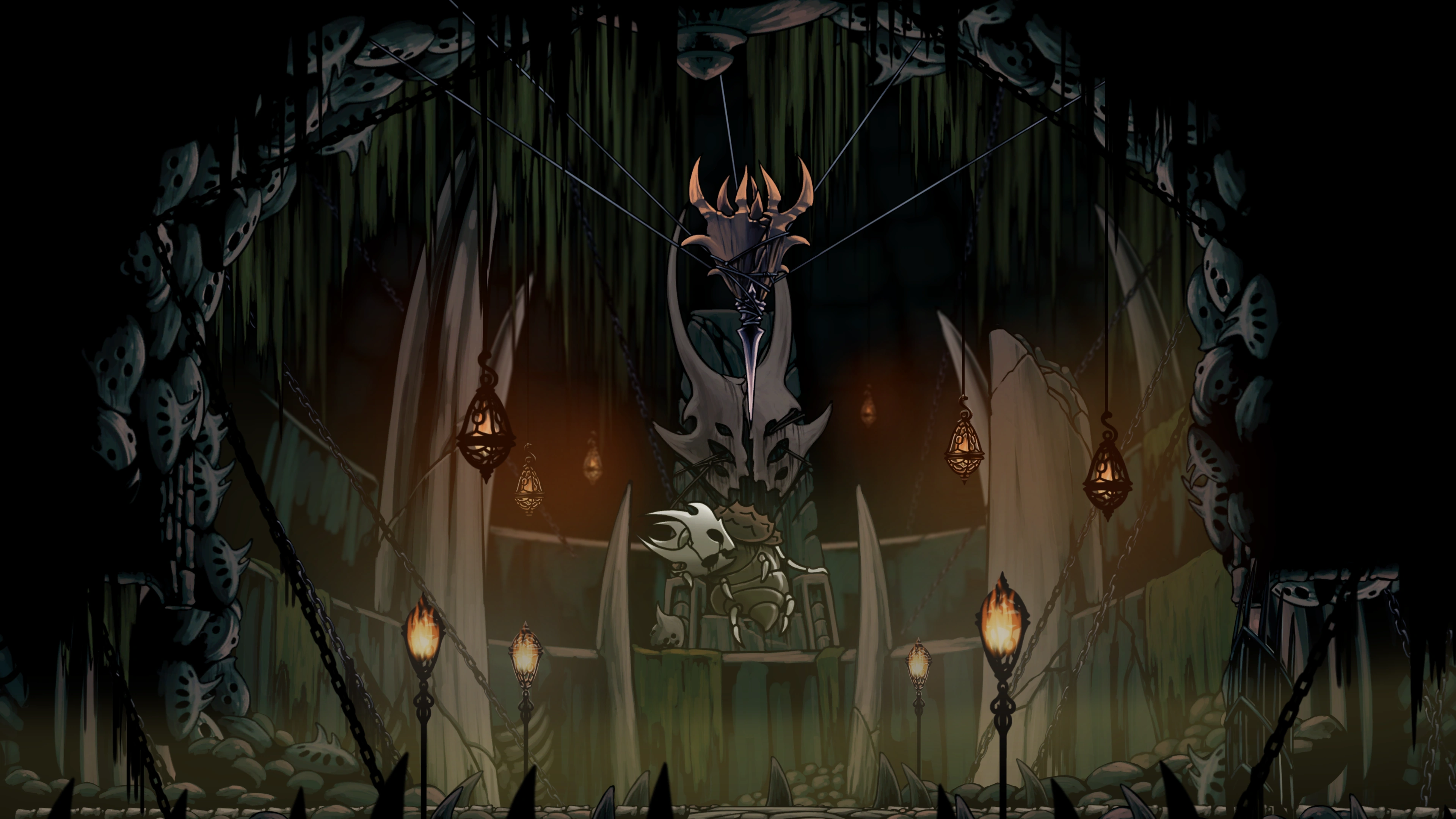 Trial of the Fool Trial of the Fool | The hardest Colosseum trial, a survival marathon |
 Dream bosses Dream bosses | Souped-up versions that hit far harder |
 Pantheon of Hallownest Pantheon of Hallownest | A 40-plus boss rush ending in Absolute Radiance |
The peak is the  Absolute Radiance at the top of the Pantheon of Hallownest, widely considered one of the hardest bosses in any game. If you only want credits, you never have to touch any of this.
Hard and unfair are different things, and Hollow Knight stays on the fair side. The systems are built so that losing teaches you something rather than punishing you randomly.
Death costs little: you only lose Geo temporarily, and reclaiming your Shade restores it. Every enemy and boss follows a fixed, learnable pattern, so a loss is information for the next attempt.
Most importantly, you control the difficulty through power. More masks, a higher  Nail, and the right charms turn a wall into a warm-up. The game always lets you leave and return stronger.
You cannot lower the difficulty in a menu, but you can lower it through preparation. These are the levers that matter most.
For a full habit list, our tips guide covers the combat and exploration basics that cut the difficulty most.
If the difficulty has you weighing it up, these guides cover the comparison, the bosses, and the single hardest fight in the game.
Game data and screenshots adapted from hollowknight.fandom.com, used under CC BY-SA 3.0. Original content remains the property of the wiki contributors and Team Cherry.