
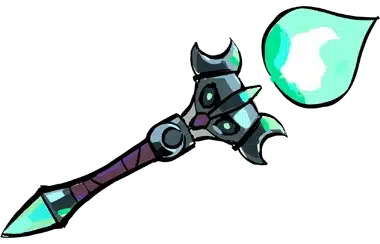
The Aspect of Moros turns the Umbral Flames into a trap weapon: scatter lingering fireballs, then sweep your Special through them for huge blasts.
The Aspect of Moros rebuilds the Umbral Flames around a single combo: your Attacks stay on the field for six seconds, then explode when your Special touches them.
That changes the weapon from a steady fireball stream into a setup-and-detonate trap. You paint an area with lingering flames, then trigger every one of them at once, and the blast scales up to plus 105 percent at the top rank.
The catch is that the blast damage is based on whatever Attack or Omega Attack created the lingering flame, so this aspect rewards stacking attack power, not Special power. That single rule decides the whole build.
This guide covers how the Moros combo works, its rank scaling, the boons and Daedalus Hammers that feed it, and when to pick it over the other Umbral Flames aspects.
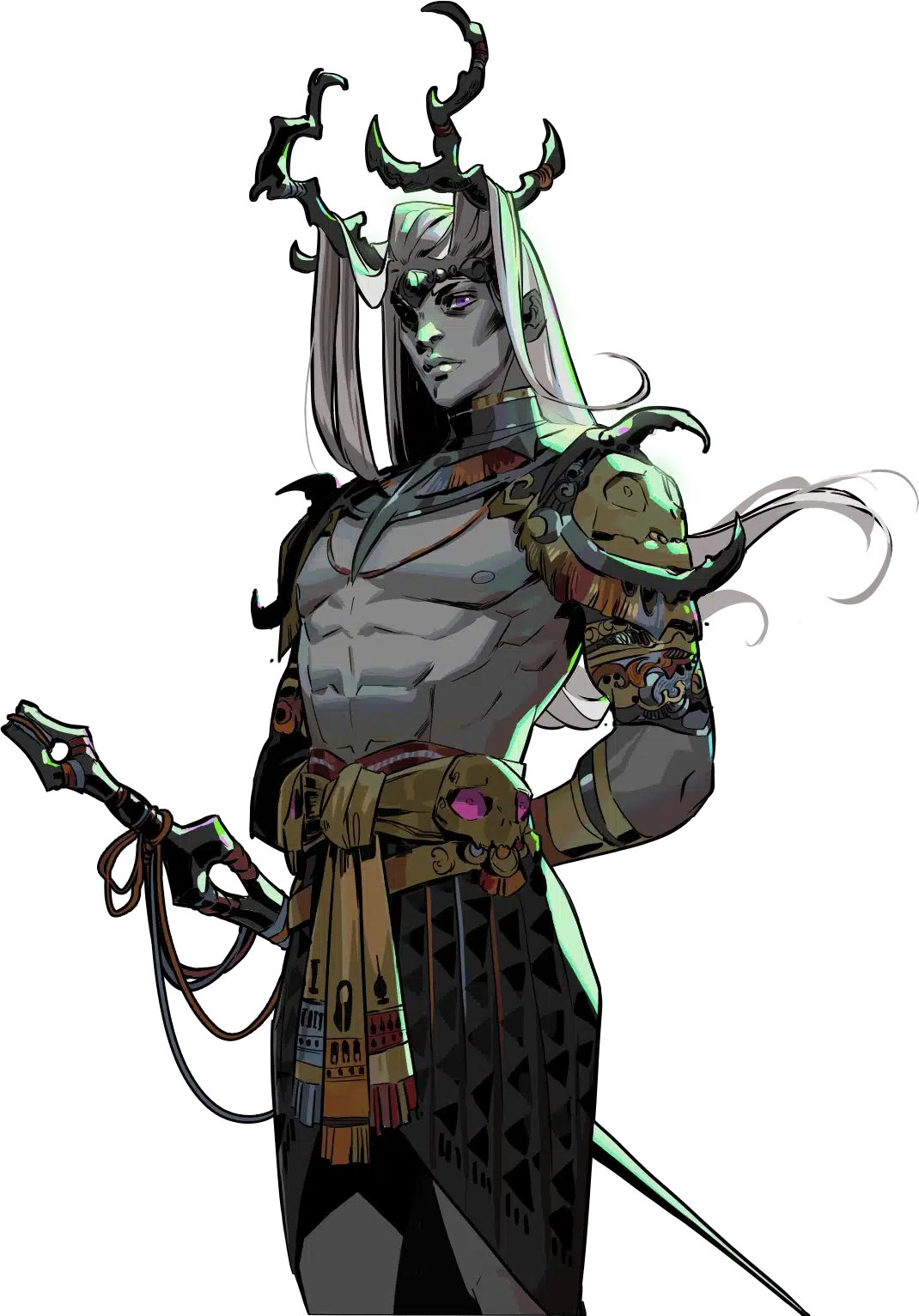 Attacks linger 6 seconds and explode in a blast when struck by your Special. the Umbral Flames, where the fireball stream plants many lingering flames fast.
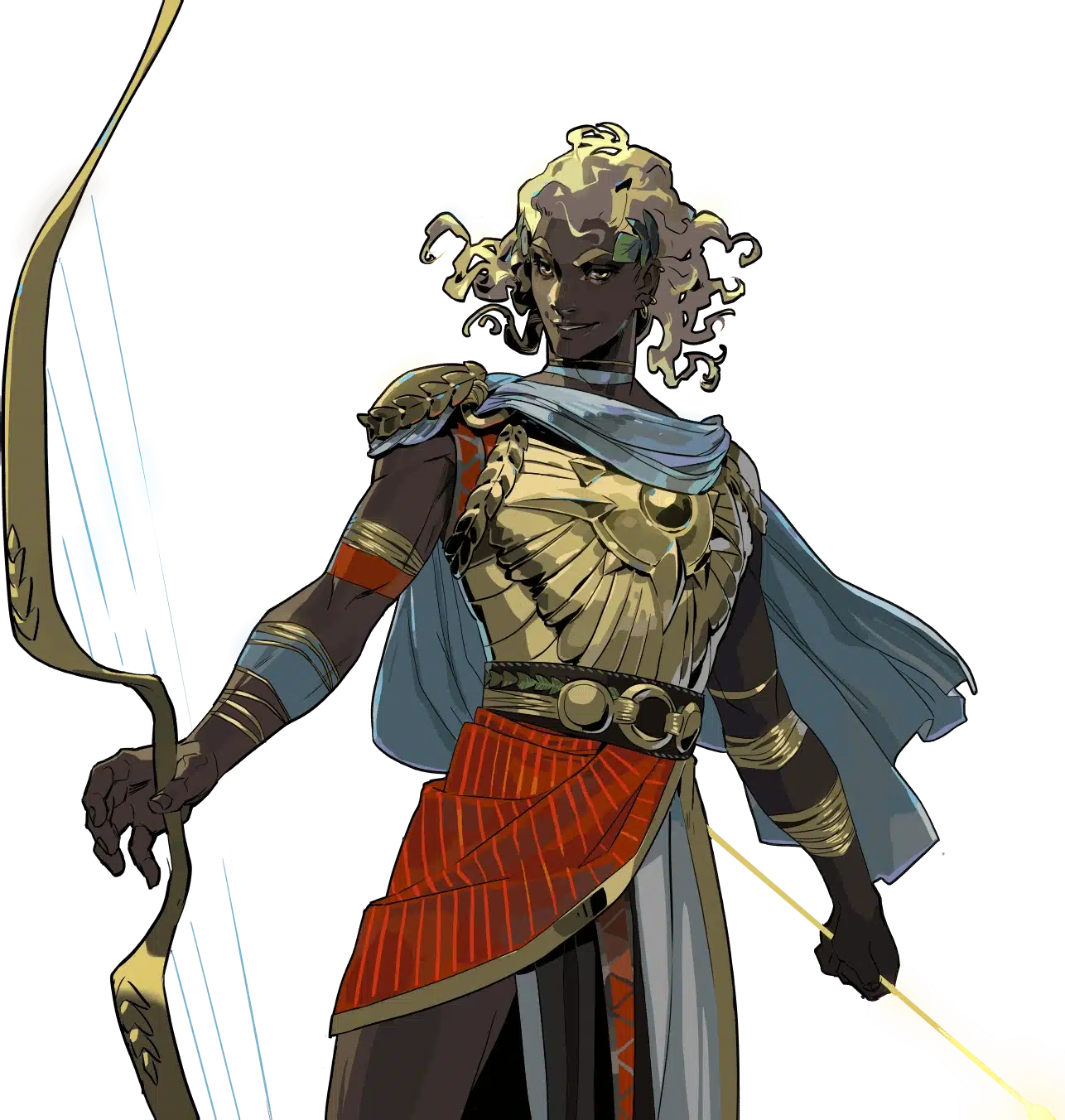 attack-damage boons, since the blast scales off the triggering Attack.
The Aspect of Moros makes your Umbral Flames Attacks linger on the ground for six seconds, then detonate in a blast the moment your Special strikes them.
On the Umbral Flames, the basic Attack is a fast stream of fireballs, so you can plant a dense cluster of lingering flames in a second or two. Sweeping your Special, which orbits or fires through that cluster, sets all of them off at once for a stacked blast.
The wiki specifies the blast damage is calculated from the Attack or Omega Attack that created the lingering flame, which is why this is an attack-scaling aspect. It also notes that lingering Attacks can stop your own attacks in place, a quirk worth knowing so you do not block your own line of fire.
Lead with Attacks, finish with Special. Spend a beat laying down as many lingering fireballs as you can, then trigger them all with one Special sweep. A single detonation of six lingering flames dwarfs tapping Special after every shot.
The aspect only scales one number, Blast Damage, so every rank you invest goes straight into the combo payoff.
| Rank | Blast Damage |
|---|---|
| Rank I | +0% |
| Rank II | +15% |
| Rank III | +30% |
| Rank IV | +45% |
| Rank V | +60% |
| Rank VI | +105% |
Rank I costs Bronze and Tears, and ranks II through V each cost Nightmare, with the rank VI jump to plus 105 percent unlocked through the Hephaestus Legendary boon Premium Service. The big leap at rank VI roughly doubles the gain of any earlier rank, so this aspect is worth fully investing once you commit to it.
Hold a few ranks until you know you like the playstyle. The early ranks add a modest percentage, but the rank VI spike is where the blast goes from a nice bonus to the weapon's main damage source, so save the heavy investment for a run you mean to take far.
The strongest Moros build stacks attack-damage boons, a fast Special to detonate, and enough Magick to keep the Omega fireballs flowing.
Because the blast scales off the triggering Attack, an attack god is the core. Add a Special that sweeps wide so one trigger hits the whole cluster, then layer Magick sustain and a Daedalus Hammer that adds fireballs so you plant lingering flames faster. Pull boons that buff Attack first, Special second.
Aspect of Moros (lingering Attacks, blast on Special) Apollo or Hestia (attack damage that feeds the blast)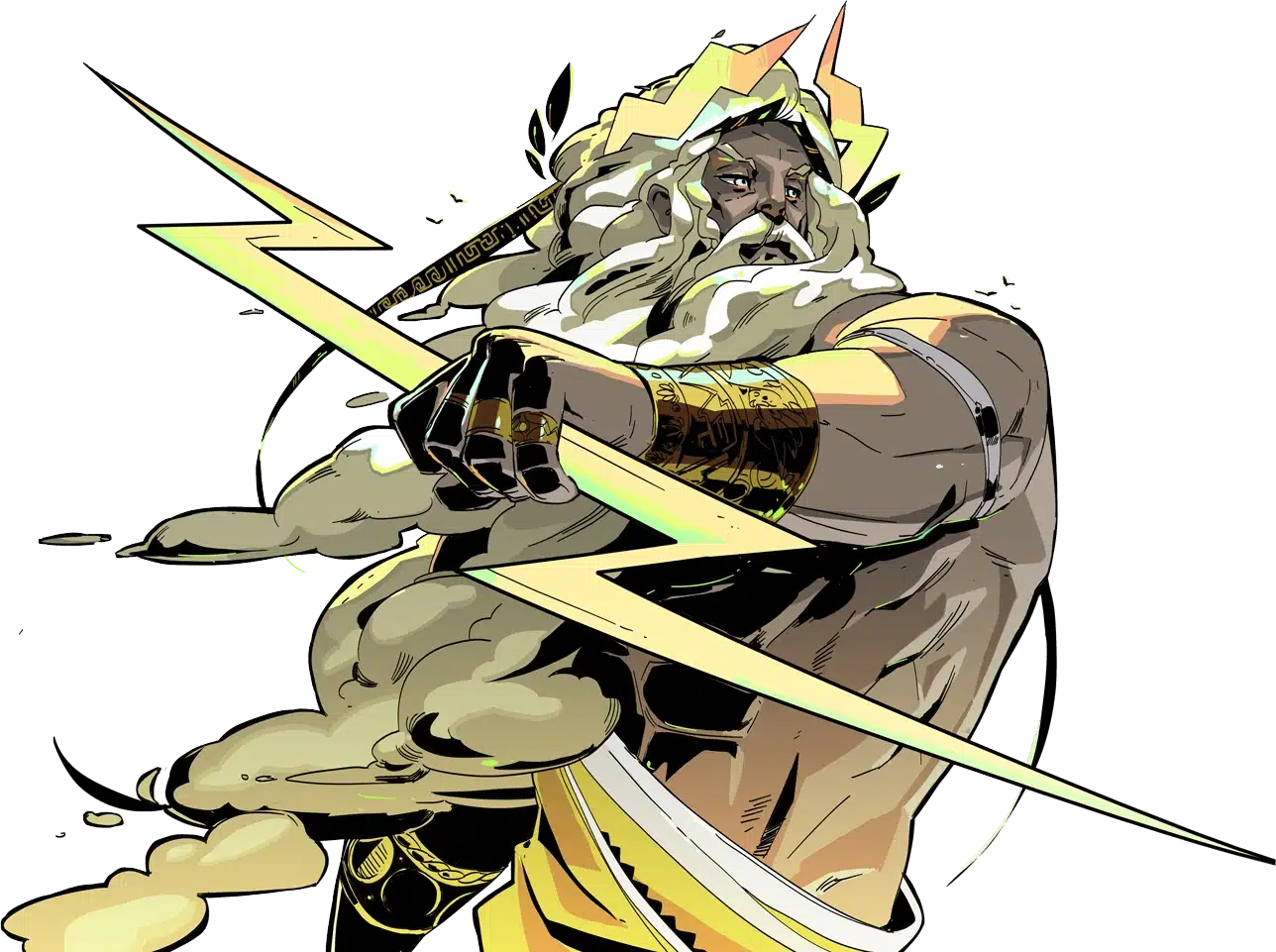 Zeus (extra hit on the detonation sweep)
 Magick regen sources (sustain the fireball stream)
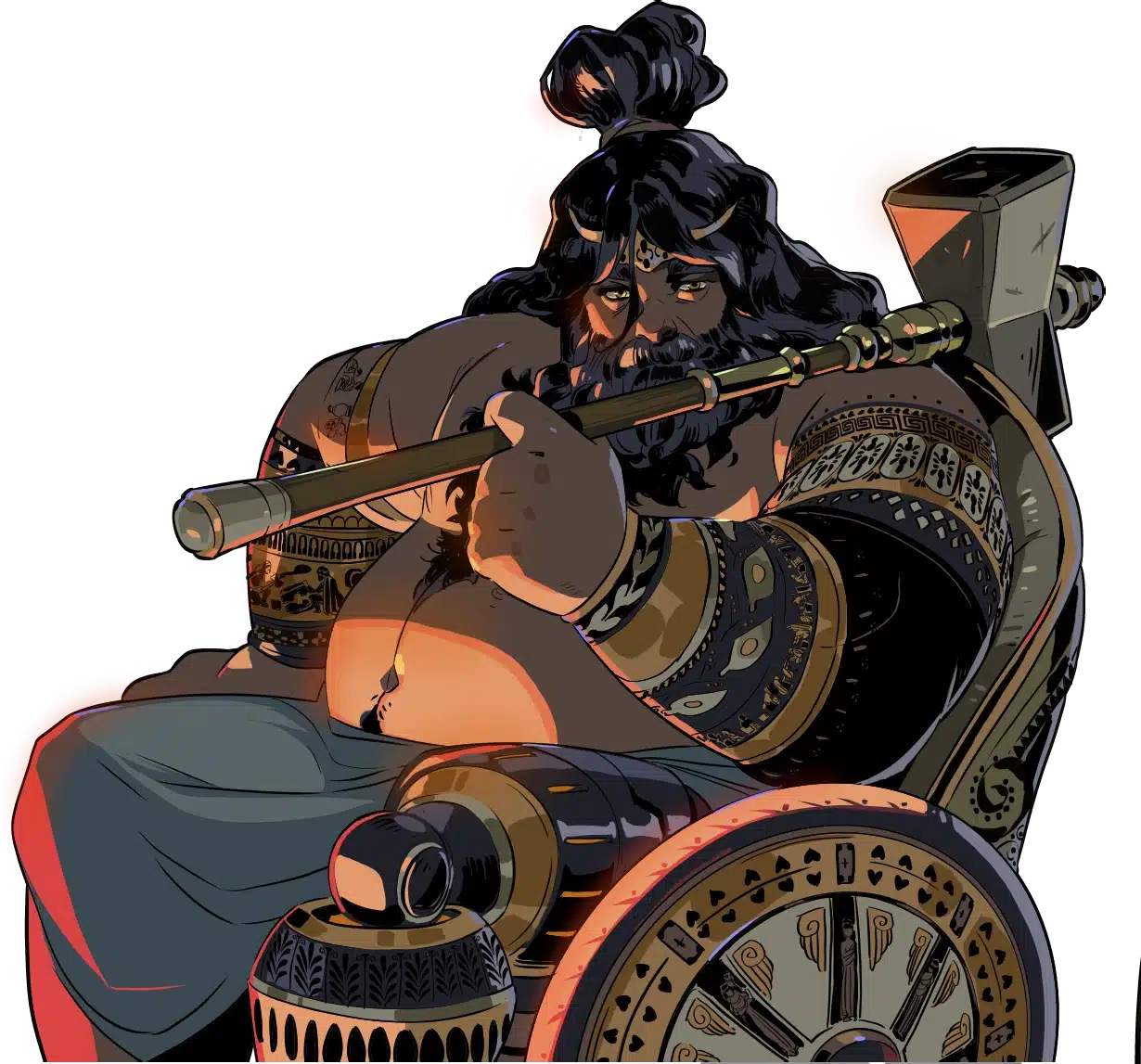 Hephaestus blast (area damage on every detonation) A fireball-count Hammer (plant lingering flames faster)
In practice this build front-loads a couple of seconds of setup and then deletes packs with one Special sweep. Across multiple runs, the attack-scaling rule holds: a Moros build with strong Attack boons out-damages the same build chasing Special power.
The Moros combo wants attack-damage gods, blast boosters, and a Special that hits the whole cluster.
Apollo and Hestia are the best cores because their attack damage feeds directly into the blast calculation. Hephaestus blast boons stack area damage on top of every detonation, which suits an aspect that is already about explosions.
Zeus adds a chained hit when your Special sweeps through the cluster, 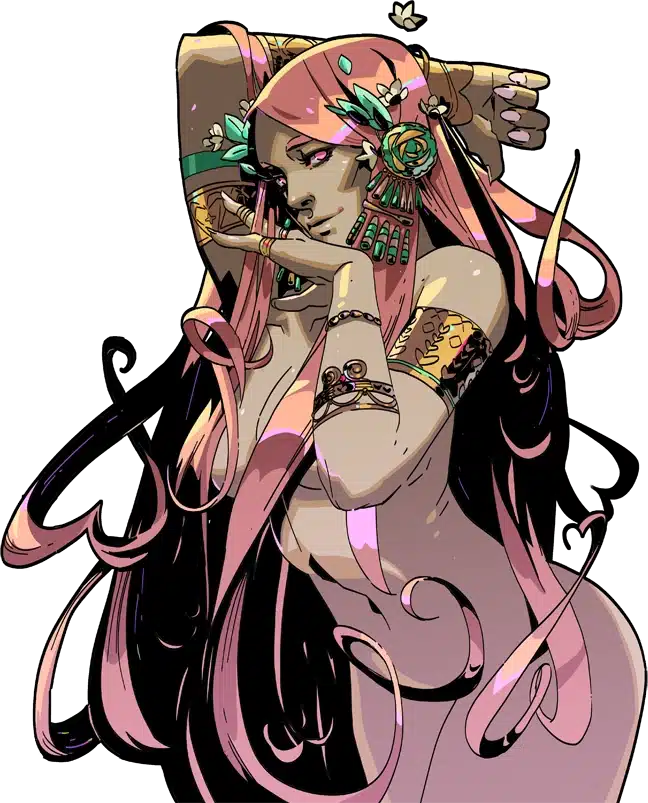 Aphrodite Weak keeps you safe during the setup window, and
  Artemis crit can roll on the blast for spikes. In practice, one attack god plus Hephaestus is the cleanest Moros core.")
Avoid pouring resources into Special power. The Special only triggers the blast; it does not scale it. Boons and attributes that raise Attack damage are what actually make your detonations hit harder.
Pick Moros when you want burst from a setup combo, and pick a different aspect when you want passive or crit damage instead.
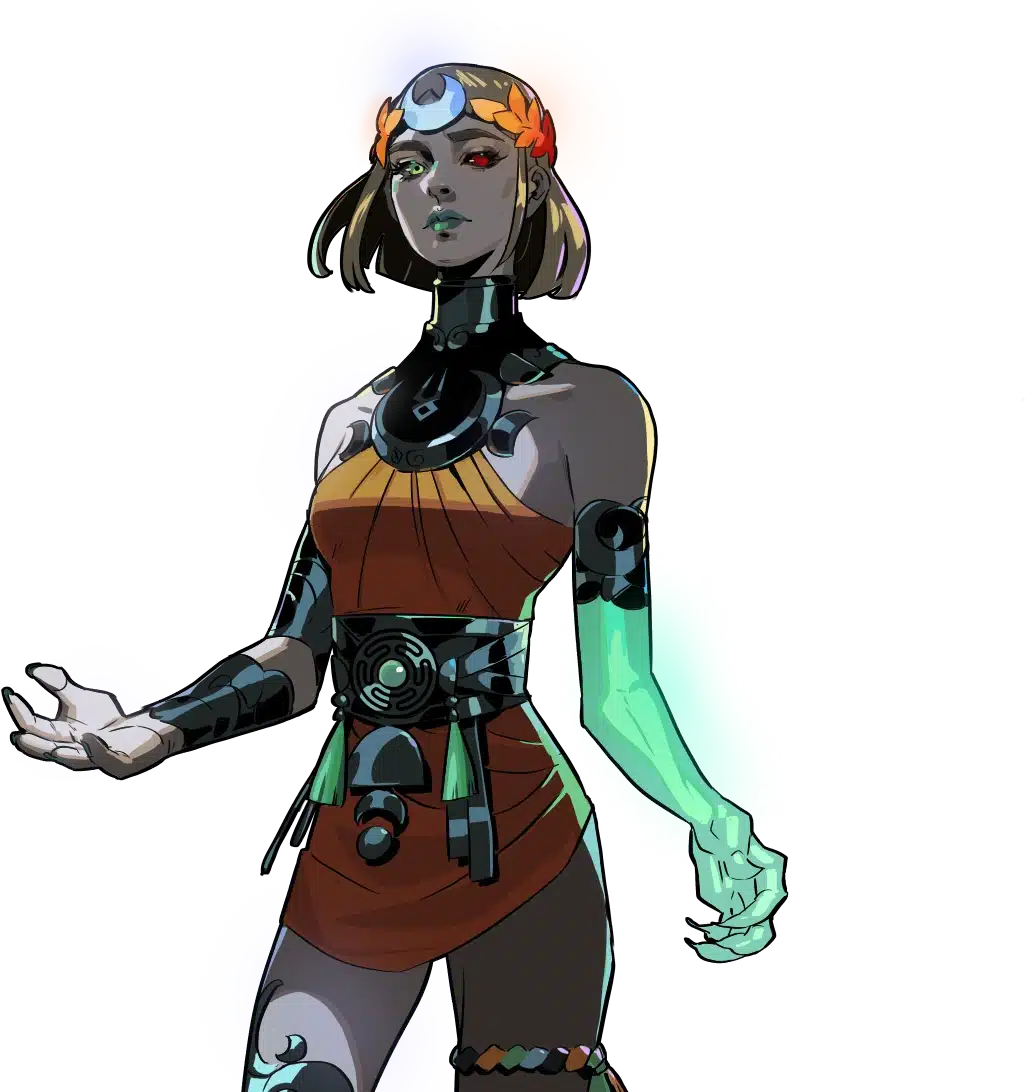 The Aspect of Melinoe gives the fireballs a chance to crit, a simpler scaling path that needs no combo. The Aspect of Eos drops a Daybreaker turret that deals area damage on its own, which is lower effort and safer while kiting. The hidden Aspect of Supay leans into Sprint and the Rush Boon.
Moros has the highest ceiling of the three damage aspects when you play the combo well, but it asks for the most setup. If you find yourself tapping Special after every shot instead of detonating clusters, the Eos turret will likely serve you better. The full Umbral Flames weapon guide compares all four aspects in depth.
On the Umbral Flames, the Aspect of Moros makes your Attacks linger on the ground for six seconds, then explode in a blast when struck by your Special. The blast damage scales up to plus 105 percent at rank VI and is based on the Attack that created the flame.
The Aspect of Moros is an aspect of the Umbral Flames, Ygnium. Its lingering-and-detonate combo works best there because the rapid fireball stream lets you plant a dense cluster of lingering flames in just a second or two.
Stack attack-damage boons like Apollo or Hestia because the blast scales off your Attack, add Zeus on the Special sweep, take Hephaestus blast boons, keep Magick regeneration up, and grab a Daedalus Hammer that adds fireballs to plant lingering flames faster.
No. The blast damage is calculated from the Attack or Omega Attack that created the lingering flame, not the Special that triggers it. Build Attack damage, not Special power, to make Moros detonations hit harder.
Yes, it has the highest burst ceiling among the Umbral Flames damage aspects when you play the combo well. The trade is setup time, since you must plant lingering flames before detonating them, so it asks more of the player than the Eos turret.
Treat it as a setup-and-detonate trap weapon. Spend a beat laying down lingering fireballs with your Attack, then sweep your Special through the cluster to explode them all at once. Prioritize Attack boons, blast boons, and Magick sustain.
Pick Moros for higher burst from a combo and Eos for lower-effort passive damage. Eos drops a Daybreaker turret that deals area damage on its own and is safer while kiting, while Moros rewards active cluster detonations.
Rank VI is the goal because the jump to plus 105 percent Blast Damage is most of the aspect's value. The earlier ranks add modest percentages, so commit the heavy investment only on a run you plan to take far.
Keep building out your Hades 2 knowledge with these next stops.
Game data and weapon art adapted from hades.fandom.com, used under CC BY-SA 3.0. Original content remains the property of the wiki contributors and Supergiant Games.