

A small indie priced like a snack delivered a 40-hour world with the polish of a blockbuster. Word of mouth did the rest.
Hollow Knight is so popular because it over-delivered on every axis that matters and asked very little in return. A tiny studio shipped a game with the depth, art, and music of a project many times its size.
The value alone made it a word-of-mouth machine. A low indie price bought 40-plus hours of content, and Team Cherry then added four free content packs on top, doubling down on goodwill.
On top of that base, it nailed the things fans obsess over: hand-drawn art, a haunting score, tight combat, and lore deep enough to fuel years of theories.
This page breaks the popularity down into its real drivers, from price-to-content value to the community and the long shadow of Silksong.
Indie price, blockbuster scope, plus four free content packs.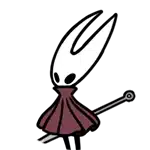 Hand-drawn art and a haunting score that define its mood.
 Lore deep enough to theorize about for years.
 Huge replayability and the Silksong hype kept it alive.
The single biggest driver is value: Hollow Knight gives blockbuster scope at an indie price. A full playthrough runs 40-plus hours, and 112% completion pushes well past that, for a fraction of a typical full-price game.
Then it gave more away for free. Per the wiki, Team Cherry released four content packs, Hidden Dreams, 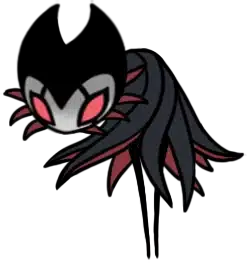 The Grimm Troupe, Lifeblood, and
 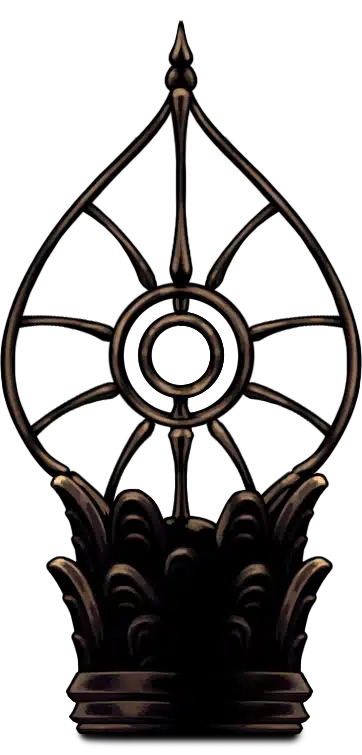 Godmaster, all at no extra cost.
That generosity built enormous goodwill. Each free update was a fresh reason to return and a fresh story for players to tell friends, which is the engine behind the game's word-of-mouth growth.
The free-DLC model is why the game still tops "best value in gaming" lists. In actual play, the 112% target alone gives more content than many paid releases.
Hollow Knight looks and sounds like nothing else, and that identity is half its appeal. The hand-drawn, ink-and-watercolor style gives Hallownest a melancholy beauty that screenshots cannot fully capture.
The score by Christopher Larkin is the other half. Sweeping piano and strings turn quiet exploration into something mournful and grand, and the boss themes are fan favorites in their own right.
Together they create atmosphere, which is what players remember long after the mechanics fade. The look of Hornet on a rain-slicked bench in the City of Tears is the kind of image that sells a game by itself.
Underneath the mood is a game that simply plays well. The combat is tight and responsive, and the Metroidvania exploration is best-in-class.
Movement feels precise from the first dash, and each new ability meaningfully reshapes the map. Bosses like the 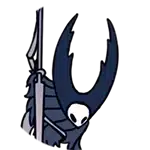 Mantis Lords are remembered as highlights because the controls never get in the way of mastering them.
The build flexibility keeps it fresh too. Swapping 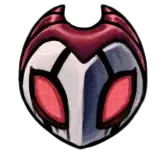 charms lets players tailor the Knight to their style, so two playthroughs can feel genuinely different.
Hollow Knight's storytelling is built for a community, and that is exactly what formed around it. The plot is buried in scenery and item text, so understanding it becomes a group project.
Players piece together the lore from fragments, debating the Void, the Radiance, and the 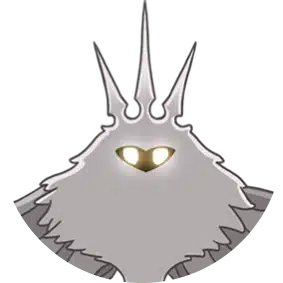 endings for years. That ambiguity is a feature, not a gap.
The result is a fandom that keeps the game in conversation: lore videos, fan art, speedruns, and theory threads. A game people want to talk about stays popular far longer than one they simply finish.
Few games this size have such long legs. Between completion goals and a hugely anticipated sequel, Hollow Knight never really left the spotlight.
The endgame is built for replay. The Pantheons, the 112% completion grind, Steel Soul mode, and a deep speedrun scene give committed players hundreds of hours.
Then there is Silksong. The long, closely watched wait for the sequel kept the original in the conversation and pulled in waves of new players curious about the hype. Few indies get that kind of sustained second wind.
For most players, yes. The combination of price, polish, scope, and atmosphere is rare enough that the praise is earned rather than inflated.
It is not for everyone. If you dislike difficulty, cryptic storytelling, or backtracking, the things fans love can read as frustrations. That is taste, not a flaw.
But the core promise holds: a beautiful, deep, generous game at a low price. That is why the recommendation has stayed near-universal since launch.
Sold on the hype? These guides help you weigh it up and start your own descent into Hallownest.
Game data and screenshots adapted from hollowknight.fandom.com, used under CC BY-SA 3.0. Original content remains the property of the wiki contributors and Team Cherry.