

Almost every enemy in Hollow Knight is a citizen of Hallownest twisted by the Infection. Here is how they break down and how the Hunter tracks them.
Hollow Knight enemies are not random monsters. Per the wiki, almost all of them are former inhabitants of Hallownest corrupted by the Infection, a plague that spreads from  the Radiance and turns sleeping bugs into hostile husks.
According to the wiki, they come in clear families: reanimated 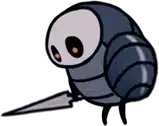 Husks, flying insects, plant beings, and the void creatures of the Abyss. Each region has its own set, so the enemies in
 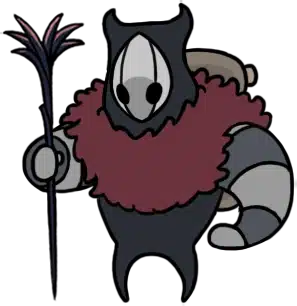 Greenpath look nothing like those deeper down.
The wiki notes that the 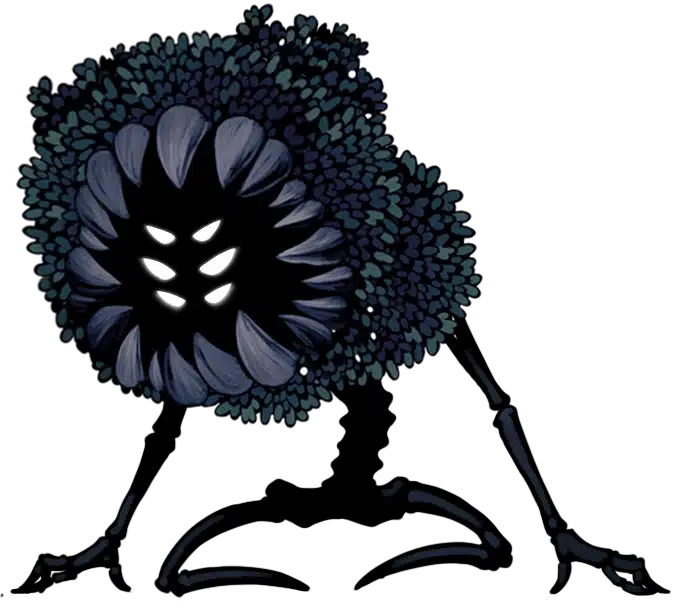 Hunter catalogs every one of them in the Hunter's Journal. In practice, that journal is the closest thing the game has to an official bestiary.
This guide covers what the enemies are, the main types, the common early ones, the tougher elite enemies, and how the journal tracks your kills.
Infected bugs of Hallownest, corrupted by the Radiance into hostile enemies. Husks, fliers, plants, and void beings, each tied to a region. The Hunter's Journal logs every enemy and rewards the Hunter's Mark.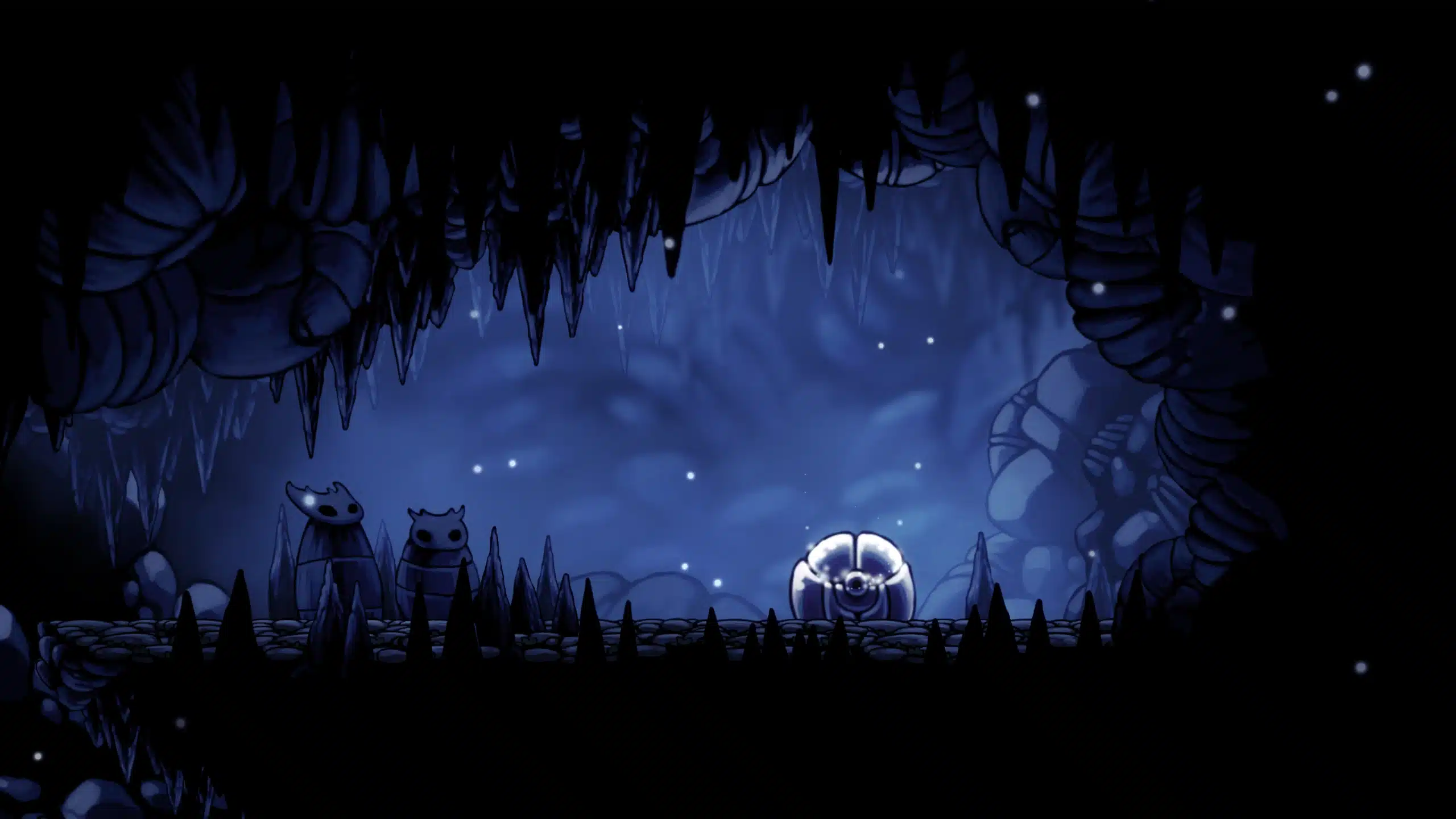 Elite enemies like the Watcher Knights hit far harder than common husks.
Per the wiki, the enemies of Hollow Knight are former inhabitants of Hallownest that the Radiance corrupted. The Infection she spreads fills sleeping bugs with orange light and drives them to attack anything that moves.
According to the wiki, this is why so many enemies are called "Husks." They are reanimated corpses of citizens who once lived normal lives in the City of Tears and the surrounding regions before the plague took them.
The wiki notes that not every enemy is infected. The Mantis Tribe resists the Infection entirely, and the void beings of the Abyss answer to something else. In practice, the Infection explains the bulk of the roster but not all of it.
Per the wiki, the roster sorts into a handful of broad families. Knowing the family tells you roughly how an enemy behaves before you even strike it.
| Type | Example | Behavior |
|---|---|---|
| Husks | Wandering Husk | Slow melee, former citizens |
| Fliers | Vengefly, Aspid | Airborne, often ranged |
 Breeders Breeders | Gruz Mother | Spawn smaller swarming young |
 Mantis Tribe Mantis Tribe | Mantis Warrior | Fast, skilled, not infected |
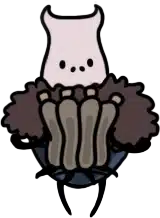 Void beings Void beings | Sibling | Born of the Abyss, not the plague |
According to the wiki, the densest pack of infected husks lives in the 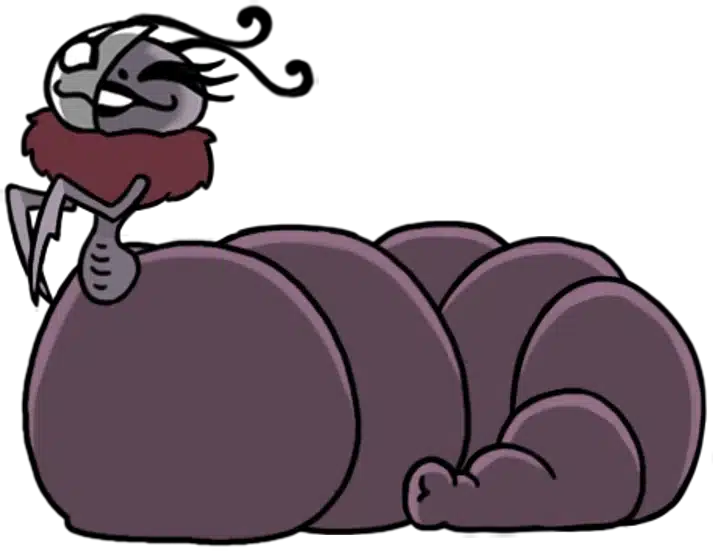 City of Tears, where sentries and dandies once kept order. The void family, by contrast, is unique to the Abyss at the bottom of the world.
The wiki specifies that plant-based enemies in Greenpath and fungal creatures in the Wastes form their own clusters too. In actual play, each region introduces a fresh themed set rather than recycling the last one.
Per the wiki, the first hours of the game introduce a small cast of weak enemies that teach the basics. Most die in one or two nail hits.
Forgotten Crossroads, often the first thing you kill. miniboss that bursts into small Gruzlings when killed.According to the wiki, these early foes barely threaten a player who blocks and spaces well. In practice, they exist to build the muscle memory the harder regions demand later.
Per the wiki, the Husk Guard in the Forgotten Crossroads is the rare exception among early enemies. It has a large health pool and deals two masks of contact damage, so treat it like a mini fight rather than a common husk.
Per the wiki, some enemies blur the line between common foe and boss. They have real health pools, layered attacks, and their own Hunter's Journal entries.
According to the wiki, the Watcher Knights are a gauntlet of armored guards fought in the Watcher's Spire. You face them in sequence, and two can be active at once near the end.
The wiki specifies that the Soul Twisters and Soul Warriors of the Soul Sanctum cast ranged orbs and teleport. They lead up to the Soul Master, one of the harder mid-game bosses on the 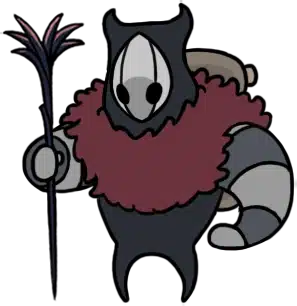 boss list.
Per the wiki, enemies like the  Brooding Mawlek and the False Knight sit between enemy and boss. In real runs, they are the spikes that punish sloppy play in otherwise calm areas.
Per the wiki, the Hunter's Journal is the game's bestiary. It logs an entry the first time you kill an enemy, then fills in lore and tips once you kill enough of them.
According to the wiki, the journal holds well over 160 entries, with a core set required for the Keen Hunter achievement and the Hunter's Mark. A few entries, like special items, do not count toward that total.
The wiki notes you receive the journal from the Hunter, who lives past a hidden wall in Greenpath. In practice, grabbing it early turns every fight into progress toward full completion.
The enemy roster ties into the bestiary, the boss list, and the charms that beat them. These spokes pick up the connected threads.
Game data and screenshots adapted from hollowknight.fandom.com, used under CC BY-SA 3.0. Original content remains the property of the wiki contributors and Team Cherry.